
Nyheter
2026-07-24
Nordlocal perspectives: what makes nature-based solutions Nordic?
A shared context shaped by climate and seasons
What makes nature-based solutions (NbS) distinctly Nordic are not the measures themselves, but the conditions they operate within. Across the region, long winters with limited daylight, snow management, road salting, and low sun angles shape how landscapes function and how public spaces are used.
Seasonality as a design condition
At the first Nordlocal workshop with our municipality network the project partners met with representatives from Århus and Kolding in Denmark, Ålesund, Oslo, Halden and Sorø in Norway, Falkenberg in Sweden, Tvøroyri in the Faroe Islands, Reykjavik Iceland the region of Åland to discuss challenges and experiences working with NbS locally. It soon became clear that these seasonal dynamics are not peripheral, but actually central design conditions. In Reykjavik, for example, discussions highlighted the balance between shade and access to light, while other municipalities pointed to the impacts of snow and ice clearance on vegetation and soil.
Context matters
This means that NbS in the Nordic region must perform year-round. Solutions cannot be imported directly from other climates; they must be adapted to local environmental and social conditions.

Common challenges across municipalities
Despite different local contexts, many challenges are shared. At the workshop, municipalities repeatedly pointed to limited space in dense urban areas, difficulties in cross-sector collaboration, and unclear responsibility for financing and long-term management.
One planner captured this tension succinctly by stating “we are not agreeing about the trees”, illustrating how differing priorities within municipal organisations can slow down implementation.
Financial structures and availability of funds also remain a barrier. Funding can be available for establishing NbS, but much harder to secure for long-term maintenance. At the same time, competing land-use priorities and the need to demonstrate economic value make it difficult to prioritise green infrastructure in planning processes.
Maintenance as a defining factor
A recurring theme throughout the workshop was the importance, and undervaluation, of maintenance. Without long-term care, even well-designed solutions risk losing their function over time.
The idea that ‘maintenance is like a dance between object and maintainer’, as described by sociologists Jérôme Denis and David Pontille in The Care of Things: Ethics and Politics of Maintenance, captures an important aspect of nature-based solutions not as static interventions, but evolving systems that require continuous attention and adaptation.
Several municipalities, such as Halden and the region of Åland, emphasised the need for better strategies and structures for maintaining trees and green infrastructure, particularly under conditions of limited resources.
Urban and rural realities
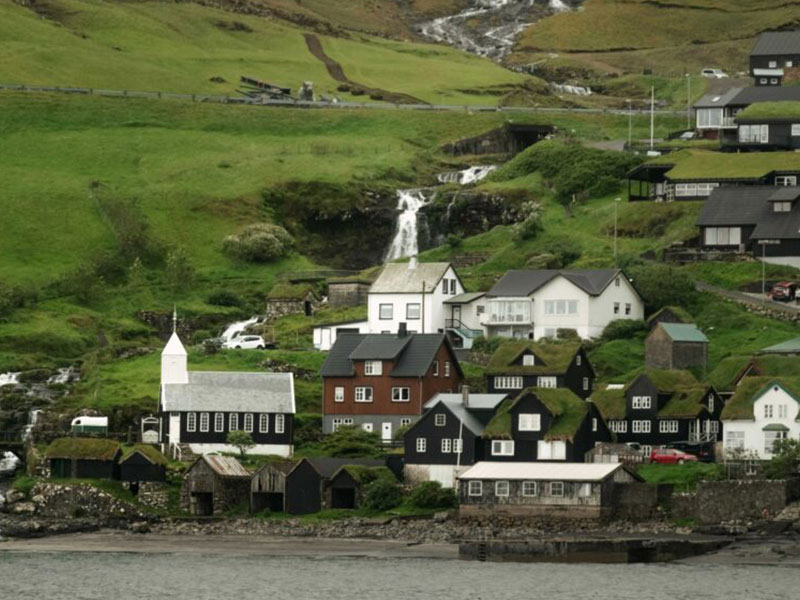
The workshop also highlighted clear differences between urban and rural contexts. In dense cities like Århus and Kolding, the challenge is often how to make space for NbS at all. In more rural contexts, such as Tvøroyri in the Faroe Islands, issues include grazing pressure, invasive species, and landscape management.
This reinforces a key point, Nordic municipalities operate across diverse landscapes, and NbS must respond to both urban density and rural complexity within the same governance structures.
From pilots to scale – insights from the Nordic Council of Ministers
A recurring question in the Nordic work on nature-based solutions is how municipalities can move beyond pilot projects and support implementation at scale. Based on insights from the Nordic Nature Programme and previous programme reports, Lisa R. í Dali, Coordinator of the Nordic Nature Programme, notes:
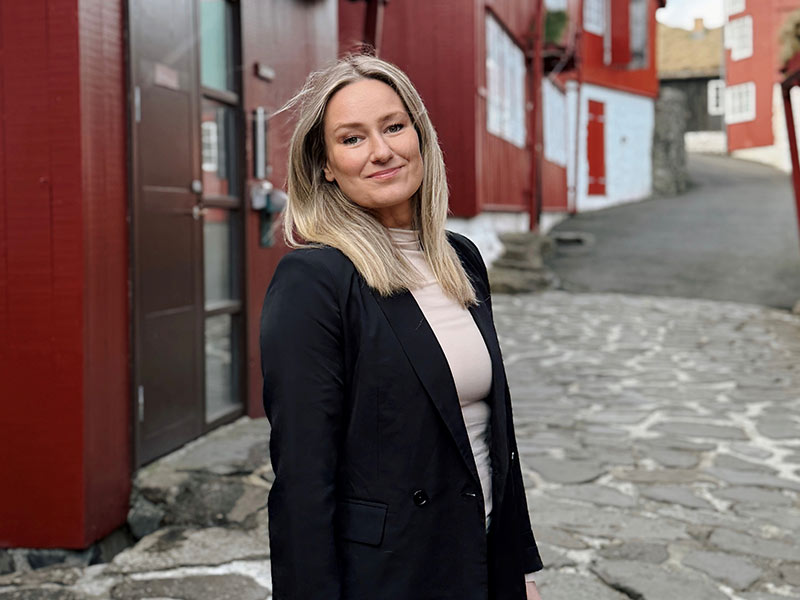
“The Nordic work shows that there is already a strong knowledge base and many good examples of nature-based solutions. However, municipalities may still face limitations related to capacity, financing, governance and cross-sector coordination. These challenges show why it is important to make nature-based solutions part of existing planning and decision-making, rather than treating them as separate or additional projects. If they are to be implemented more widely, the knowledge and experience that already exist must be made easier to use in practice. This is key if nature-based solutions are to support biodiversity, climate adaptation and broader societal goals.”
Support structures at the Nordic level play an important role in addressing these challenges:
“The Nordic Council of Ministers supports implementation by strengthening Nordic cooperation and the knowledge base on nature-based solutions. The Nordic Nature Programme works to scale up existing solutions based on nature-based methods in the Nordic region, improve networks and platforms where actors can share knowledge and experiences, and integrate nature-based solutions into climate management and nature conservation. The programme also contributes to knowledge-sharing and the integration of nature considerations into decision-making processes and activities at local, regional and national level.”
From a faroese perspective, Lisa also highlights the importance of local adaptation across Nordic context:
“Nature-based solutions need to be adapted to specific landscapes and contexts, governance structures, and local capacities. At the same time, even small-scale initiatives can serve as strong demonstration projects with the potential to inspire and be scaled in other Nordic contexts.”
Not copying, but translating: lessons from Yggdrasil to Nordlocal
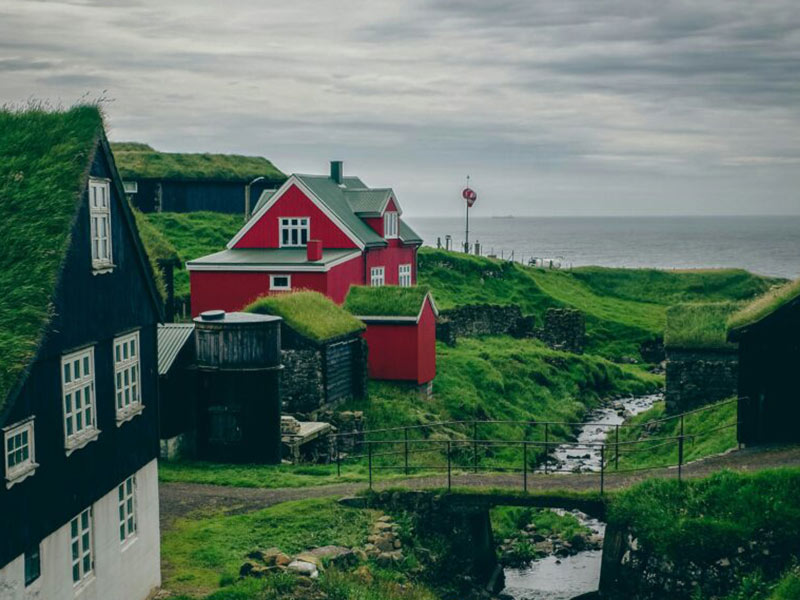
Building on insights from the past Nordic project Yggdrasil – The Living Nordic City, a key takeaway is that scaling nature-based solutions in a Nordic context is not about replication, but rather about translation and adaptation. Solutions need to be understood in relation to place, its climate, culture, and patterns of use, and adapted accordingly. Nordlocal builds on this by focusing on exchange between municipalities, not to copy solutions, but to understand what works and how it can be adjusted to new contexts. Throughout the municipal workshop held by Nordlocal, a clear pattern emerged: the Nordic approach is defined less by specific techniques and more by a way of working long-term, place-based, and collaborative. From daylighting streams in Ålesund to expanding canopy cover in Kolding and managing water and landscapes in Reykjavik, municipalities operate under different conditions but move towards similar goals.
Read more about how to join Nordlocal here: https://traekontoret.dk/nord-local/
Följ vårt arbete för ett grönare samhälle.
Här samlar vi alla våra senaste nyheter, pressmeddelanden och när vi syns i media.
Vill du få våra nyheter direkt till din inkorg?
Håll dig uppdaterad om vårt arbete, aktuella projekt och kommande evenemang.
Prenumerera på vårt nyhetsbrev – det kommer ut cirka fyra gånger per år.
Anmäl dig till nyhetsbrevet här >>
2026-09-16
Kilde: Nord-local
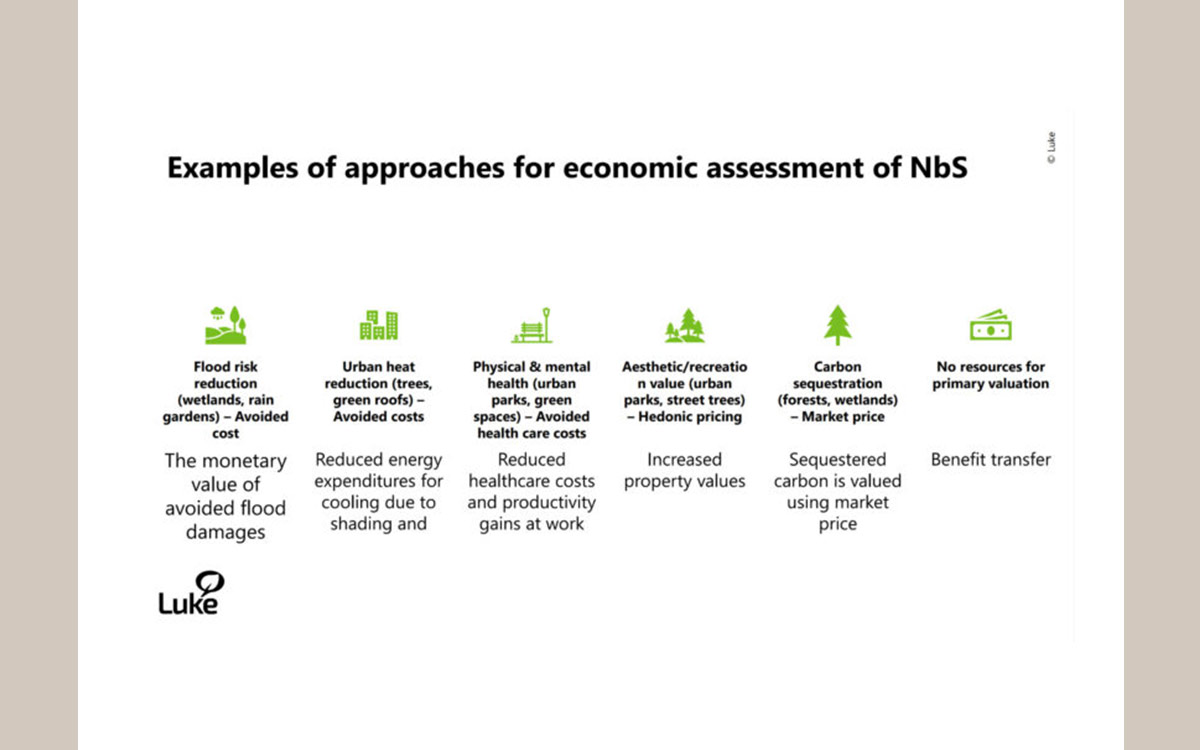
Making the Case for Nature-Based Solutions: Why Economic Valuation Matters
Hvordan kan kommuner synliggøre naturens værdier, når forskellige investeringer konkurrerer om begrænsede ressourcer? Inden for Nordlocal undersøger forskere ved Natural Resources Institute Finland (Luke), hvordan økonomisk værdisætning kan bidrage til bedre beslutninger om naturbaserede løsninger.
I artiklen fortæller vi mere om forskellige metoder til at værdisætte naturens goder – fra klimatilpasning og sundhed til biodiversitet og rekreation – og hvorfor økonomiske tal skal fortolkes med omtanke.
Læs hele blogindlægget her
2026-09-10
Kilde: Grønt Miljø
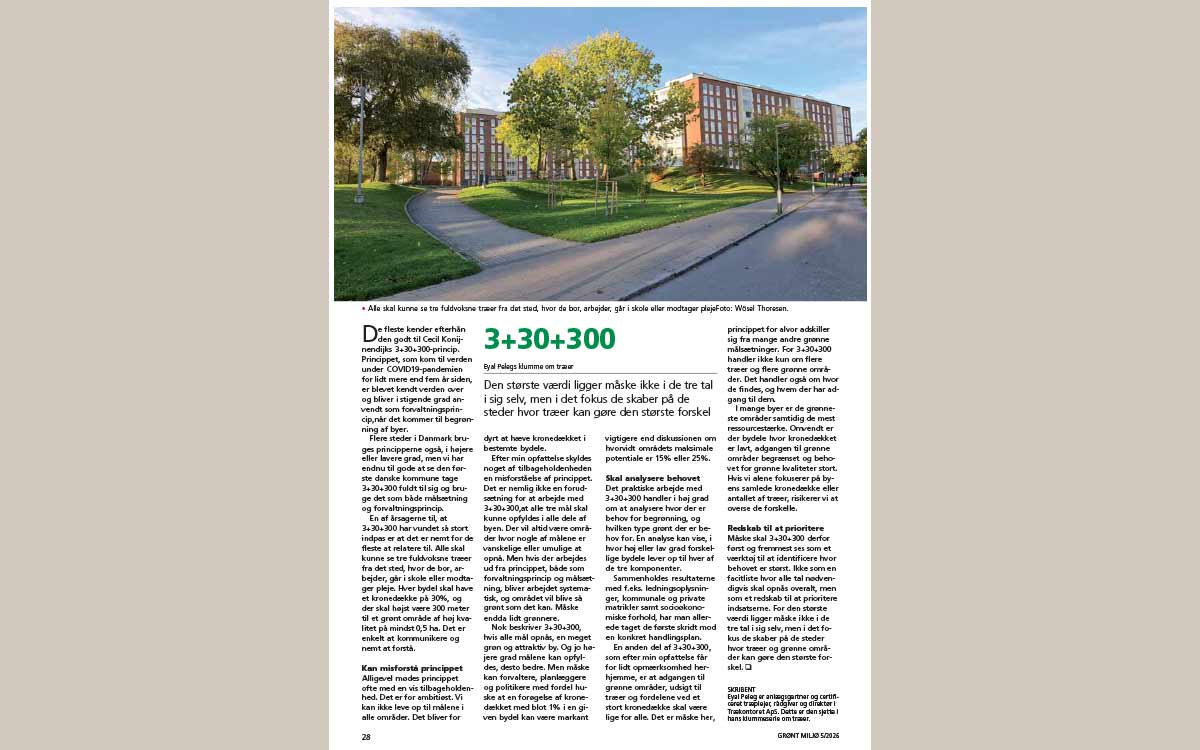
3+30+300 – mere end tre tal
3+30+300-princippet er blevet et internationalt kendt værktøj til at gøre byer grønnere. Men principperne handler ikke om, at alle mål skal opfyldes overalt. De kan i stedet bruges til at identificere, hvor behovet for mere grønt er størst, og prioritere indsatser dér, hvor træer og grønne områder kan gøre den største forskel.
Læs hele artiklen her:
2026-07-24
Kilde: Nord-local
Nordlocal perspectives: what makes nature-based solutions Nordic?
Hvordan påvirker det nordiske klima arbejdet med naturbaserede løsninger?
På den første Nordlocal-workshop diskuterede kommuner fra hele Norden, hvordan klima, lokale forhold og langsigtet forvaltning påvirker arbejdet med naturbaserede løsninger.
Læs hele blogindlægget her.
2026-07-02
Kilde: Event
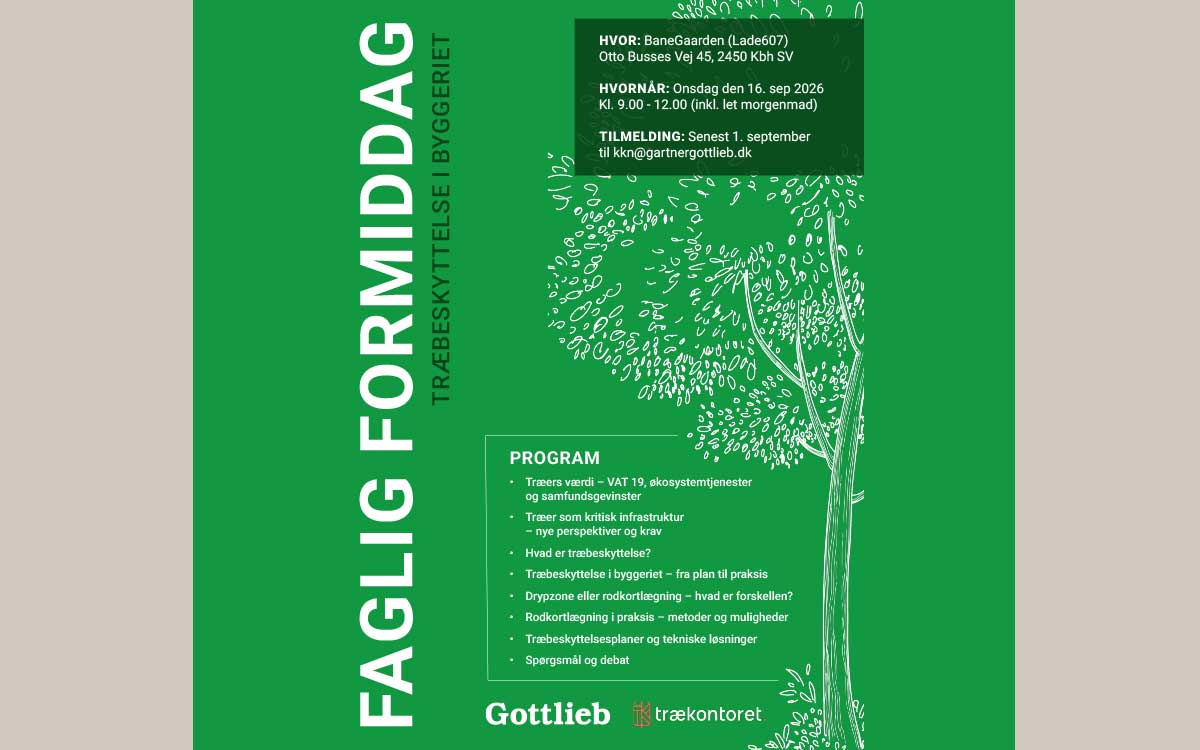
Faglig formiddag om træbeskyttelse i byggeriet
Hvordan sikrer vi, at eksisterende træer bevares bedst muligt i forbindelse med byggeri og anlæg? Sammen med Anlægsgartner Gottlieb A/S inviterer Trækontoret til en gratis faglig formiddag med fokus på træbeskyttelse – fra de første planer til det færdige anlæg.
Vi sætter fokus på træers værdi, træbeskyttelse i praksis, rodkortlægning og de nyeste faglige metoder. Arrangementet henvender sig til alle, der arbejder med træer i relation til byggeri og anlæg.
📅 16. september 2026 | 📍 BaneGaarden, København
Læs mere om programmet og tilmelding
2026-06-24
Kilde: Grønt Miljø
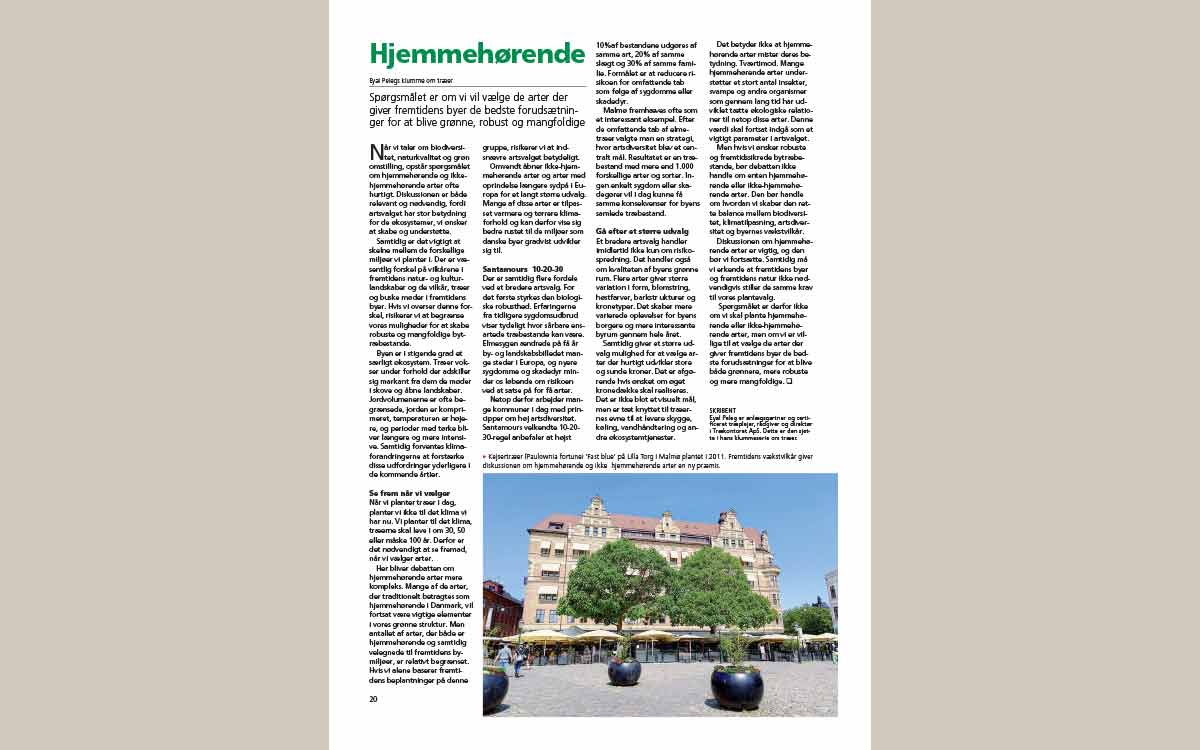
Hjemmehørende – men for hvem?
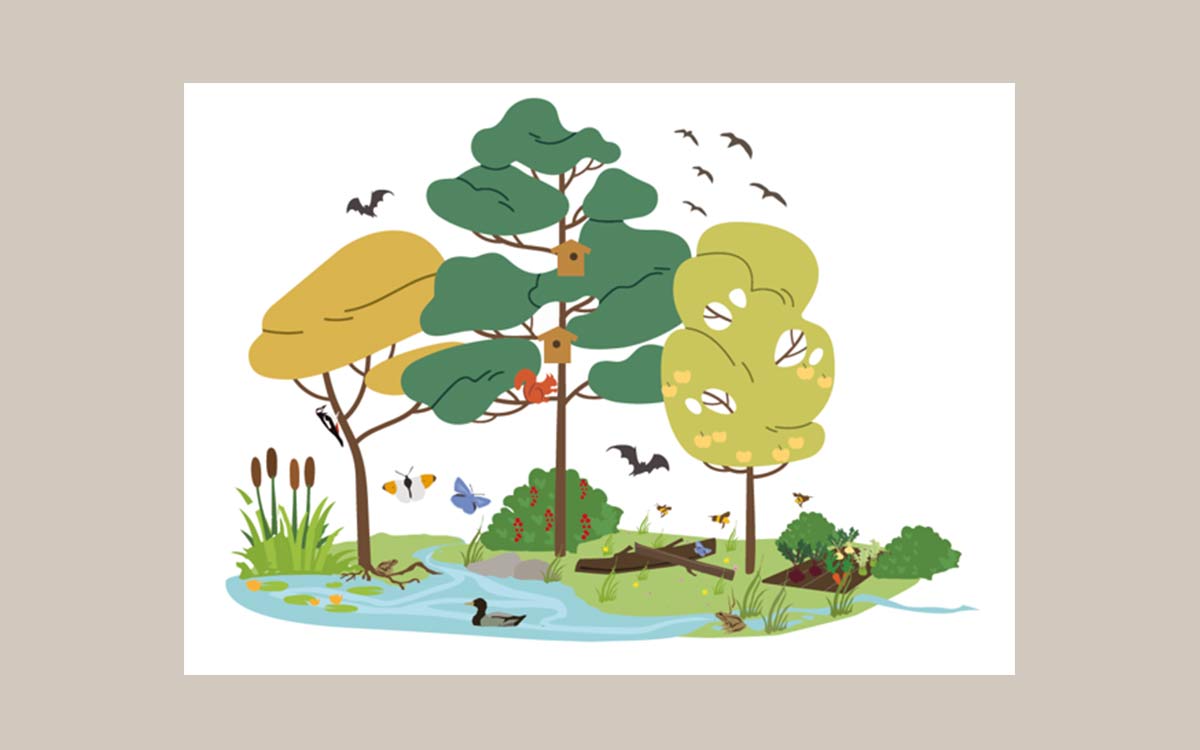
Når vi planter træer i dag, planter vi ikke kun til nutiden, men til fremtidens byer. I denne klumme sætter Eyal Peleg fokus på debatten om hjemmehørende og ikke-hjemmehørende arter og spørger, om vi er villige til at vælge de arter, der bedst kan sikre grønne, robuste og mangfoldige bymiljøer i et varmere og mere udfordret klima.
Læs hele artiklen her.
2026-05-04
Kilde: Nord-local
Nordlocal – Scaling Nature-Based Solutions through local Nordic Action
Nordlocal samler kommuner og eksperter fra hele Norden for at gøre det lettere at implementere og opskalere naturbaserede løsninger. Gennem samarbejde, erfaringsudveksling og praktisk afprøvning omsættes viden til konkrete løsninger i lokale miljøer.
Læs hele blogindlægget her.
2026-03-01
Kilde: Grønt Miljø
Opbygningsbeskæring: En lille indsats med stor effekt
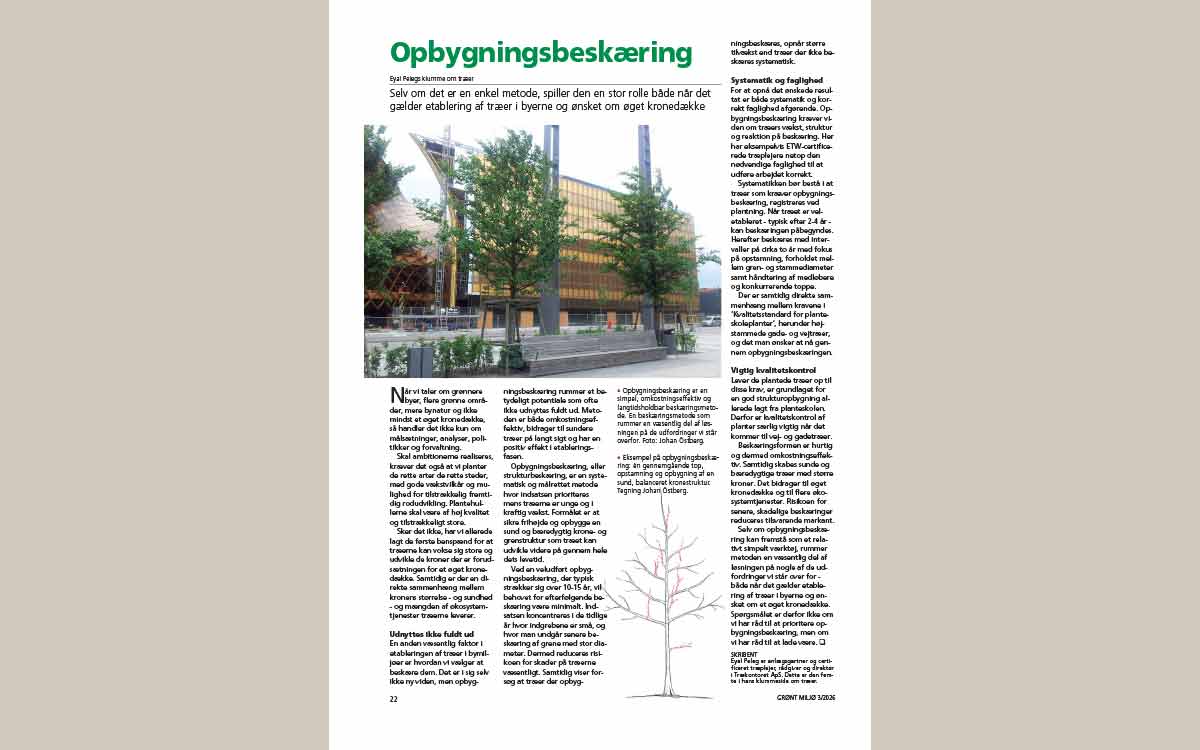
Vil vi have større, sundere træer og mere kronedække i byerne, begynder arbejdet længe før træerne er fuldt udvoksede. I denne klumme forklarer Eyal Peleg, hvorfor opbygningsbeskæring er et af de mest effektive redskaber til at sikre robuste træer med stærke kronestrukturer. En målrettet indsats i de første leveår kan reducere fremtidige problemer og samtidig styrke træernes vækst og økosystemtjenester.
Læs hele artiklen her.
2026-02-09
Kilde: Pressmedelande
Trækontoret lancerer en ny håndbog om træbeskyttelse ved byggeri
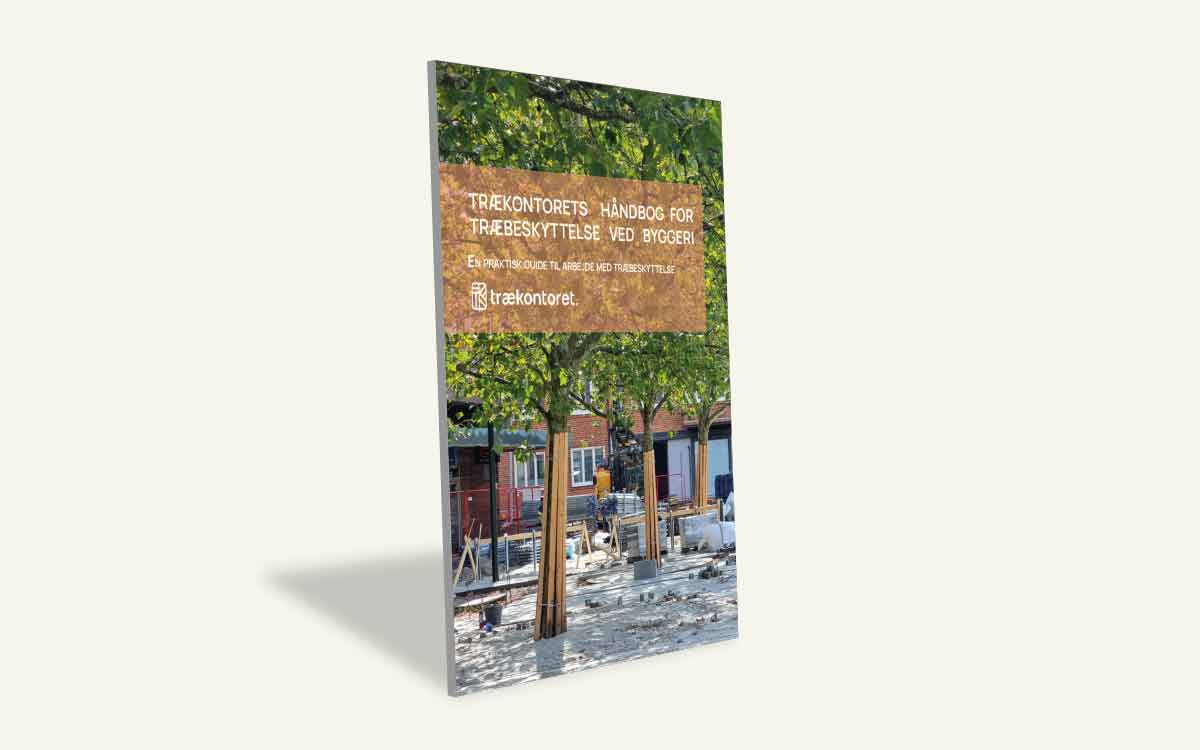
Trækontoret lancerer en ny håndbog om træbeskyttelse ved byggeri. Håndbogen er udarbejdet med afsæt i erfaringer og principper fra den svenske standard SS 990002:2025 – Trädvård – Arbete vid träd – Skydd av träd vid planering og utførelse samt den svenske håndbog, og er tilpasset danske forhold, praksis og begreber.
Håndbogen er et praktisk redskab for alle, der arbejder med planlægning og udførelse af bygge- og anlægsprojekter i nærheden af træer, og håbet er, at den kan være til inspiration for, hvordan principper for træbeskyttelse kan omsættes til konkrete løsninger i praksis.
Håndbogen kan downloades gratis her
2026-02-01
Kilde: Grønt Miljø
Ny håndbog sætter fokus på træbeskyttelse ved byggeri
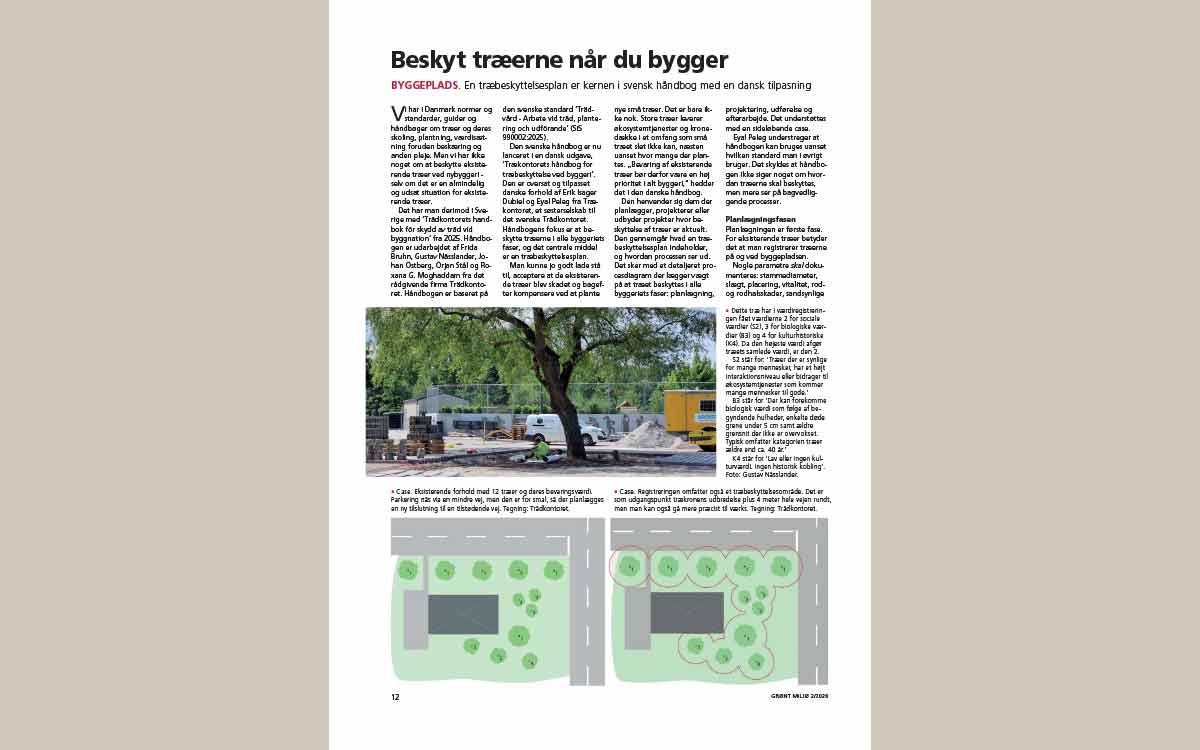
Når byggeprojekter planlægges, er eksisterende træer ofte blandt de mest sårbare elementer på byggepladsen. En ny dansk udgave af Trækontorets håndbog for træbeskyttelse ved byggeri giver konkrete værktøjer til at beskytte træer gennem hele byggeprocessen. I artiklen gennemgås håndbogens centrale principper, herunder træbeskyttelsesplaner, bevaringsvurderinger og afgrænsning af træbeskyttelsesområder.
Læs hele artiklen her.
2026-02-01
Kilde: Grønt Miljø
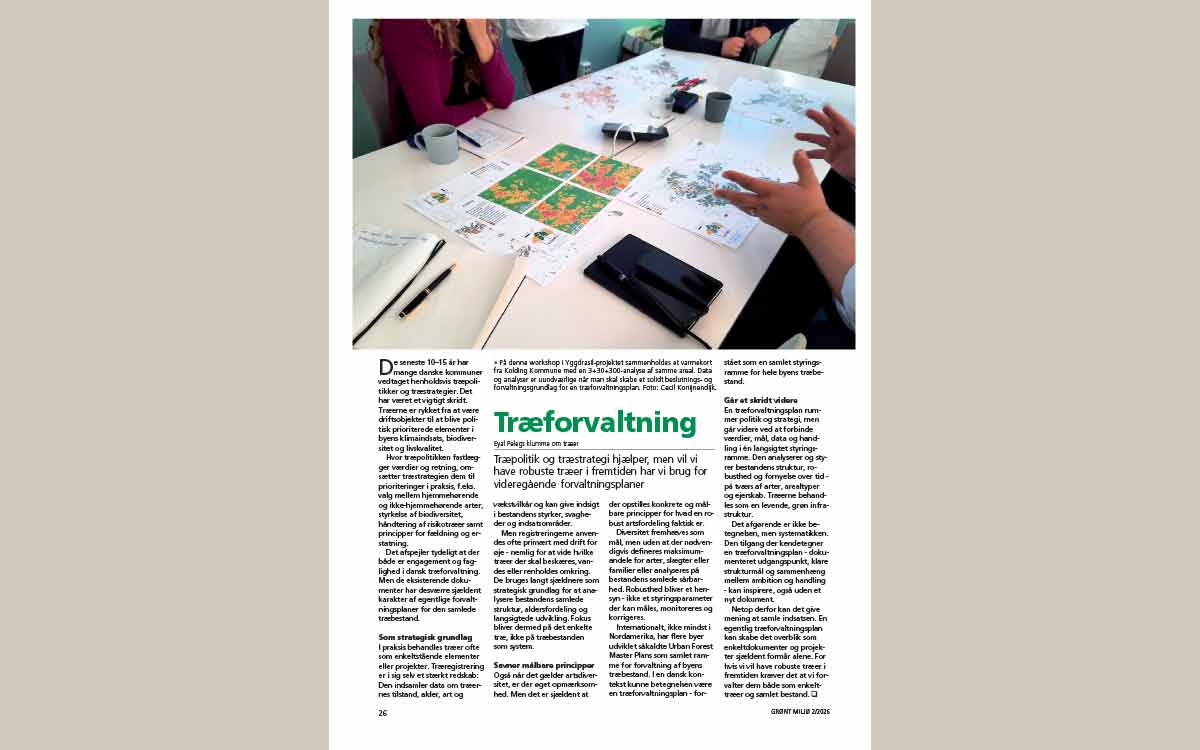
Fra træstrategi til træforvaltningsplan
Mange kommuner har i dag træpolitikker og træstrategier, men er det nok til at sikre robuste træbestande på lang sigt? I denne klumme argumenterer Eyal Peleg for, at fremtidens træforvaltning kræver en mere helhedsorienteret tilgang, hvor træerne betragtes som en samlet grøn infrastruktur. Læs om, hvorfor træforvaltningsplaner kan blive det næste vigtige skridt for danske kommuner.
Læs hele artiklen her.
2026-01-01
Kilde: Grønt Miljø
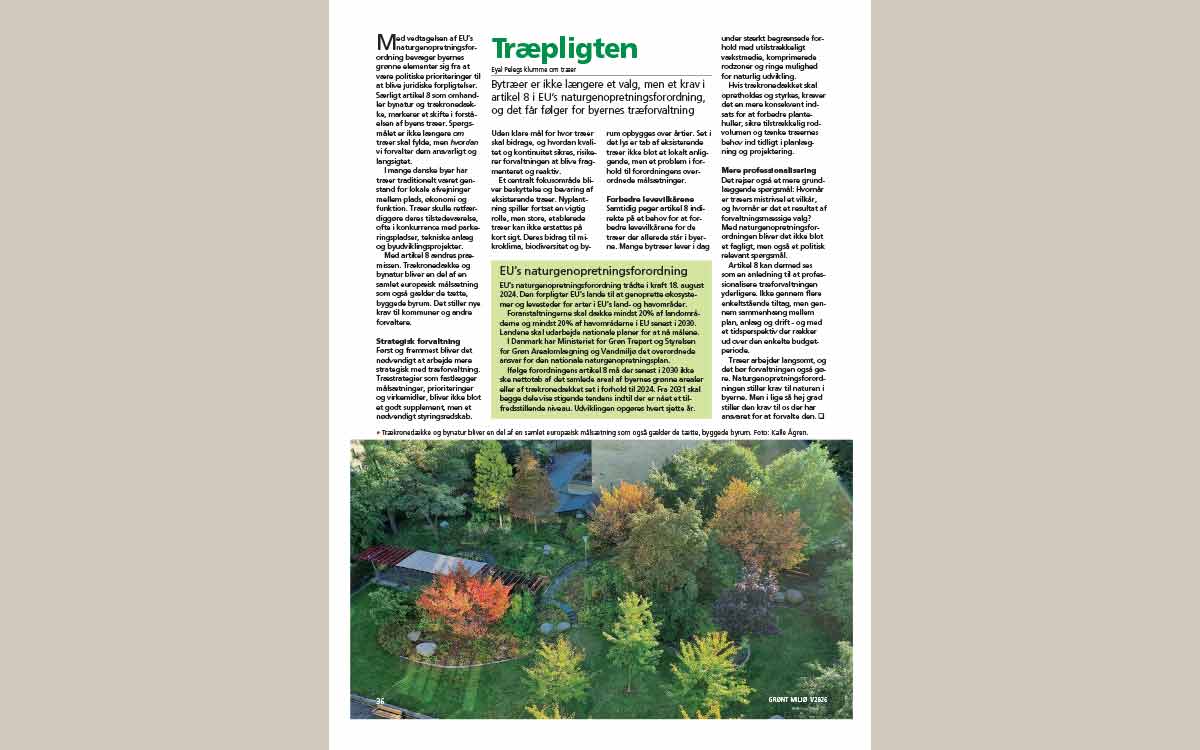
EU gør bytræer til en forpligtelse
Med EU’s naturgenopretningsforordning er bytræer ikke længere blot et politisk valg, men en del af en juridisk forpligtelse. I denne klumme ser Eyal Peleg nærmere på, hvad artikel 8 betyder for kommuner og andre træforvaltere, og hvorfor strategisk planlægning, beskyttelse af eksisterende træer og bedre vækstvilkår bliver afgørende for fremtidens bynatur.
Læs hele artiklen her.
2025-09-03
Kilde: Pressmedelande
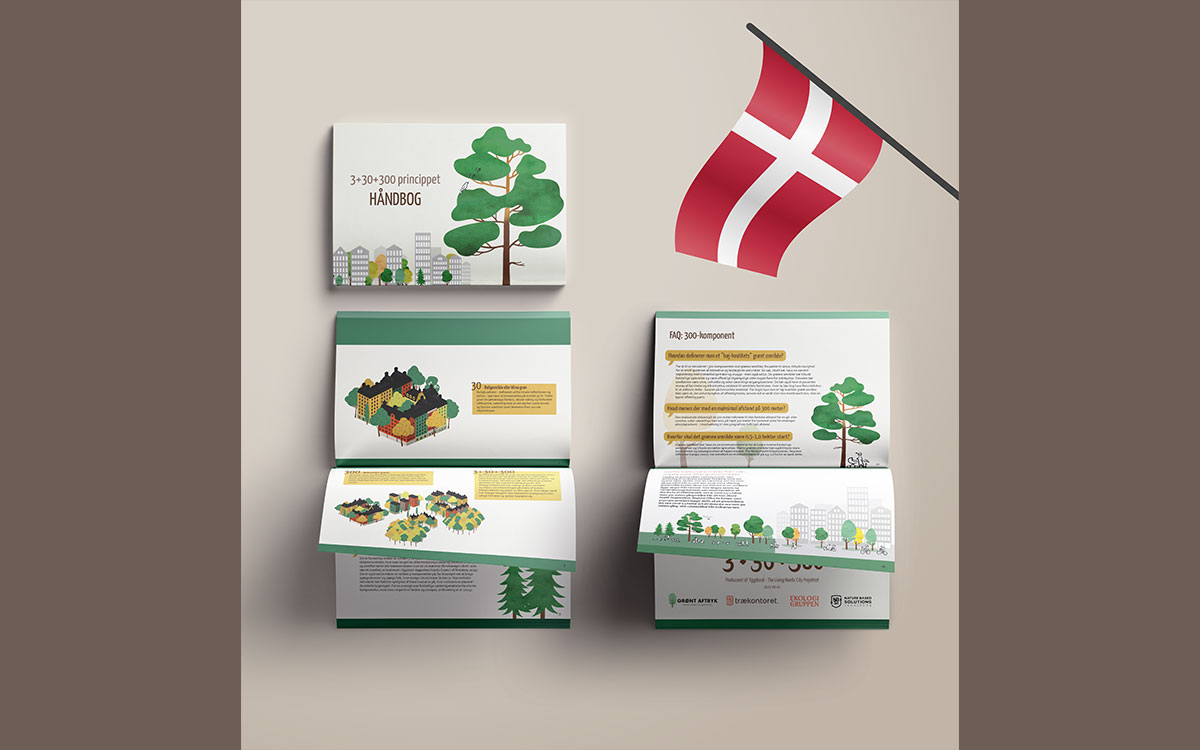
Håndbogen for 3+30+300-princippet findes nu på dansk!
Håndbogen for 3+30+300-princippet, udviklet inden for Yggdrasil-projektet, er nu endelig oversat til dansk!
Princippet er et konkret redskab til at arbejde strategisk med træer i byen – fra planlægning og politik til praktisk anvendelse. Det bygger på tre klare retningslinjer:
🌳 Mindst 3 træer fra hver bolig 🌳 30 % kronedække i hvert byområde 🌳 300 meter til nærmeste grønne område.
2025-09-01
Kilde: Pressemeddelelser
Velkommen, Trækontoret Danmark!
Vi er utrolig stolte af at kunne annoncere, at Trækontoret fra den 1. september 2025 officielt etablerer sig i Danmark! Vi er allerede en førende aktør inden for træforvaltning i Sverige og Norge, og nu ser vi frem til at bidrage til at skabe grønnere og sundere byer i Danmark.
Det danske kontor, Trækontoret ApS, vil blive ledet af den nye administrerende direktør, Eyal Peleg. Sammen med vores stærke nordiske team vil Eyal og det danske team tilbyde kvalificeret rådgivning inden for professionel træforvaltning og -planlægning.
2025-08-01
Kilde: Grønt Miljø
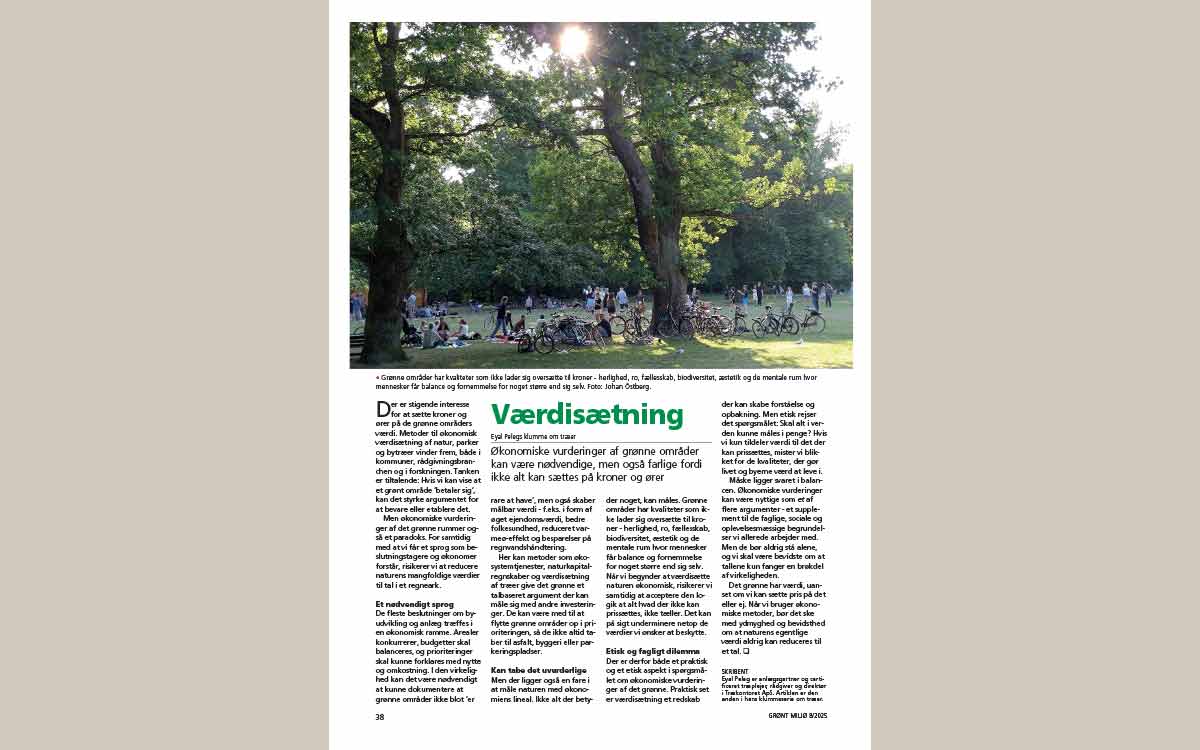
Værdisætning af det grønne – nødvendigt redskab eller farlig forenkling?
Kan naturens og byens grønne områder måles i kroner og øre? I denne klumme undersøger Eyal Peleg fordelene og udfordringerne ved økonomisk værdisætning af parker, træer og natur. Artiklen diskuterer, hvordan økonomiske argumenter kan styrke grønne investeringer – men også hvorfor nogle af naturens vigtigste værdier aldrig kan reduceres til et tal.
Læs hele artiklen her.
2025-07-01
Kilde: Grønt Miljø
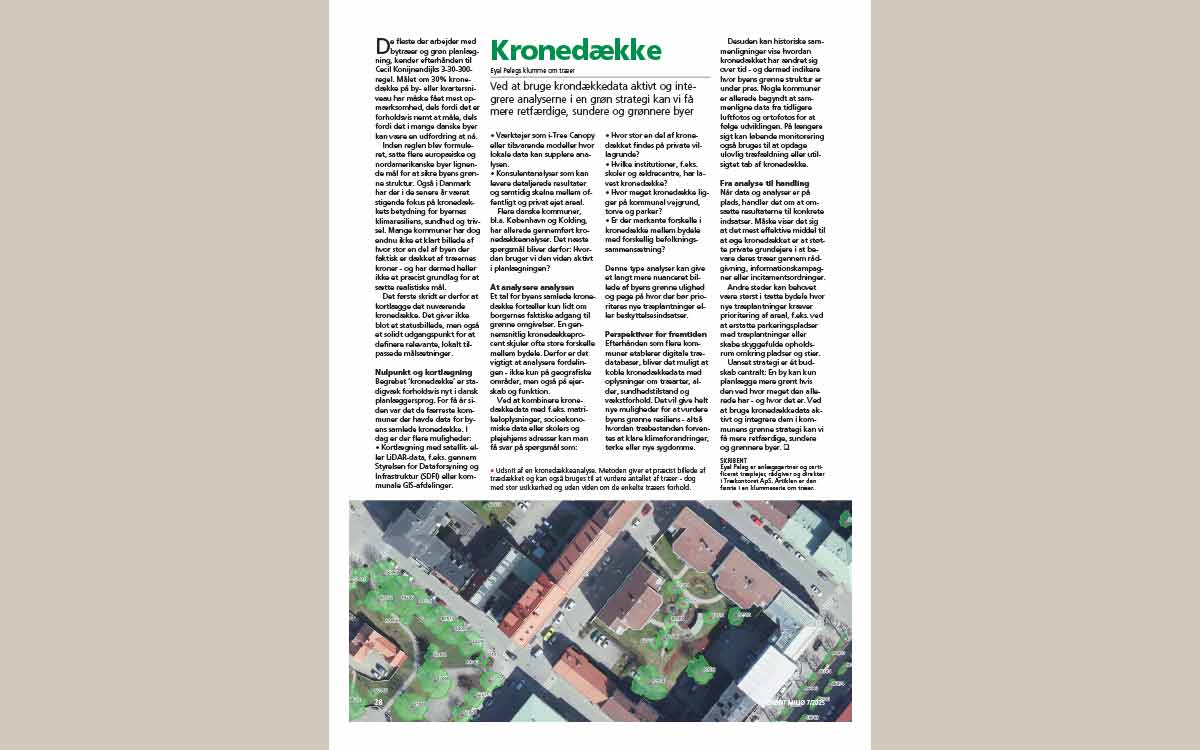
Kronedække: Nøglen til grønnere og mere retfærdige byer
Hvordan kan kommuner bruge viden om træernes kronedække til at skabe sundere, mere klimarobuste og mere lige bymiljøer? I den første artikel i en ny klummeserie om træer sætter anlægsgartner, certificeret træplejer og direktør i Trækontoret ApS, Eyal Peleg, fokus på kronedækkets betydning for fremtidens byplanlægning. Læs om, hvordan data og analyser kan omsættes til konkrete grønne indsatser – fra kortlægning til handling.
Læs hele artiklen her.
A shared context shaped by climate and seasons
What makes nature-based solutions (NbS) distinctly Nordic are not the measures themselves, but the conditions they operate within. Across the region, long winters with limited daylight, snow management, road salting, and low sun angles shape how landscapes function and how public spaces are used.
Seasonality as a design condition
At the first Nordlocal workshop with our municipality network the project partners met with representatives from Århus and Kolding in Denmark, Ålesund, Oslo, Halden and Sorø in Norway, Falkenberg in Sweden, Tvøroyri in the Faroe Islands, Reykjavik Iceland the region of Åland to discuss challenges and experiences working with NbS locally. It soon became clear that these seasonal dynamics are not peripheral, but actually central design conditions. In Reykjavik, for example, discussions highlighted the balance between shade and access to light, while other municipalities pointed to the impacts of snow and ice clearance on vegetation and soil.
Context matters
This means that NbS in the Nordic region must perform year-round. Solutions cannot be imported directly from other climates; they must be adapted to local environmental and social conditions.
Common challenges across municipalities
Despite different local contexts, many challenges are shared. At the workshop, municipalities repeatedly pointed to limited space in dense urban areas, difficulties in cross-sector collaboration, and unclear responsibility for financing and long-term management.
One planner captured this tension succinctly by stating “we are not agreeing about the trees”, illustrating how differing priorities within municipal organisations can slow down implementation.
Financial structures and availability of funds also remain a barrier. Funding can be available for establishing NbS, but much harder to secure for long-term maintenance. At the same time, competing land-use priorities and the need to demonstrate economic value make it difficult to prioritise green infrastructure in planning processes.
Maintenance as a defining factor
A recurring theme throughout the workshop was the importance, and undervaluation, of maintenance. Without long-term care, even well-designed solutions risk losing their function over time.
The idea that ‘maintenance is like a dance between object and maintainer’, as described by sociologists Jérôme Denis and David Pontille in The Care of Things: Ethics and Politics of Maintenance, captures an important aspect of nature-based solutions not as static interventions, but evolving systems that require continuous attention and adaptation.
Several municipalities, such as Halden and the region of Åland, emphasised the need for better strategies and structures for maintaining trees and green infrastructure, particularly under conditions of limited resources.
Urban and rural realities
The workshop also highlighted clear differences between urban and rural contexts. In dense cities like Århus and Kolding, the challenge is often how to make space for NbS at all. In more rural contexts, such as Tvøroyri in the Faroe Islands, issues include grazing pressure, invasive species, and landscape management.
This reinforces a key point, Nordic municipalities operate across diverse landscapes, and NbS must respond to both urban density and rural complexity within the same governance structures.
From pilots to scale – insights from the Nordic Council of Ministers
A recurring question in the Nordic work on nature-based solutions is how municipalities can move beyond pilot projects and support implementation at scale. Based on insights from the Nordic Nature Programme and previous programme reports, Lisa R. í Dali, Coordinator of the Nordic Nature Programme, notes:
“The Nordic work shows that there is already a strong knowledge base and many good examples of nature-based solutions. However, municipalities may still face limitations related to capacity, financing, governance and cross-sector coordination. These challenges show why it is important to make nature-based solutions part of existing planning and decision-making, rather than treating them as separate or additional projects. If they are to be implemented more widely, the knowledge and experience that already exist must be made easier to use in practice. This is key if nature-based solutions are to support biodiversity, climate adaptation and broader societal goals.”
Support structures at the Nordic level play an important role in addressing these challenges:
“The Nordic Council of Ministers supports implementation by strengthening Nordic cooperation and the knowledge base on nature-based solutions. The Nordic Nature Programme works to scale up existing solutions based on nature-based methods in the Nordic region, improve networks and platforms where actors can share knowledge and experiences, and integrate nature-based solutions into climate management and nature conservation. The programme also contributes to knowledge-sharing and the integration of nature considerations into decision-making processes and activities at local, regional and national level.”
From a faroese perspective, Lisa also highlights the importance of local adaptation across Nordic context:
“Nature-based solutions need to be adapted to specific landscapes and contexts, governance structures, and local capacities. At the same time, even small-scale initiatives can serve as strong demonstration projects with the potential to inspire and be scaled in other Nordic contexts.”
Not copying, but translating: lessons from Yggdrasil to Nordlocal
Building on insights from the past Nordic project Yggdrasil – The Living Nordic City, a key takeaway is that scaling nature-based solutions in a Nordic context is not about replication, but rather about translation and adaptation. Solutions need to be understood in relation to place, its climate, culture, and patterns of use, and adapted accordingly. Nordlocal builds on this by focusing on exchange between municipalities, not to copy solutions, but to understand what works and how it can be adjusted to new contexts. Throughout the municipal workshop held by Nordlocal, a clear pattern emerged: the Nordic approach is defined less by specific techniques and more by a way of working long-term, place-based, and collaborative. From daylighting streams in Ålesund to expanding canopy cover in Kolding and managing water and landscapes in Reykjavik, municipalities operate under different conditions but move towards similar goals.
Read more about how to join Nordlocal here: https://traekontoret.dk/nord-local/

