
Nyheder
2026-10-20
From shared challenges to practical action for Nordic nature-based solutions
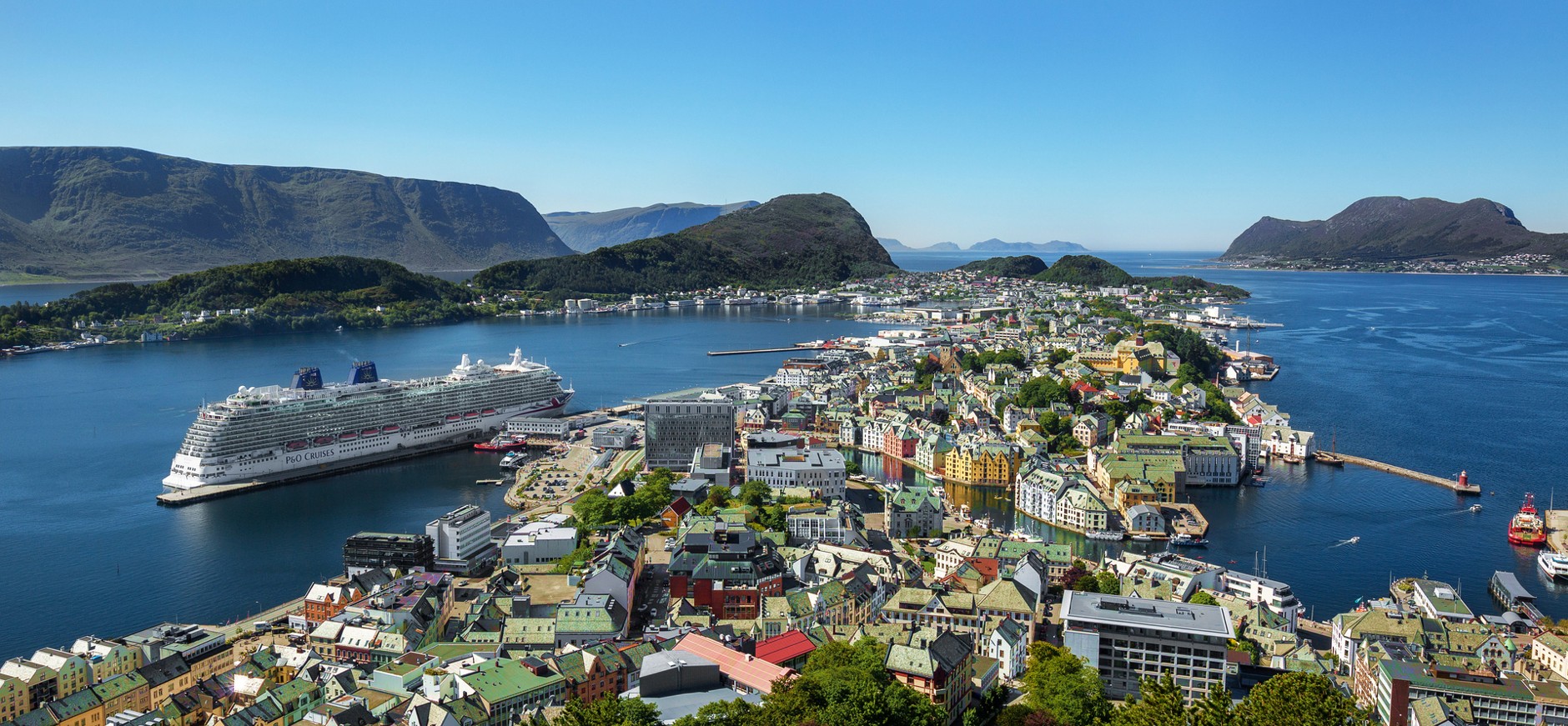
Ålesund, Norway, where the built environment meets the sea and surrounding mountains. Nordic municipalities face different geographical conditions, but share many challenges in integrating nature-based solutions into urban and regional planning. Photo: Ålesund Municipality
How do we move nature-based solutions from promising projects to something that becomes part of everyday municipal planning? When the Nordlocal municipal network first met earlier this year, we asked municipalities across the Nordic region about the challenges they face when implementing nature-based solutions. Their answers ranged from finding space for trees and securing long-term maintenance to working across municipal departments, attracting funding, and managing nature beyond the urban core.Those discussions helped us define four thematic hubs for Nordlocal: Plans and policies, Dense urban environments, Rural landscapes, and Partnerships and funding.
Thematic hubs as vehicles for change
The hubs will stay with us throughout the Nordlocal project. They are intended as spaces for co-production and peer learning where municipalities, researchers, and practitioners can work with real cases, exchange experiences, and develop practical knowledge together. Rather than starting with what we think municipalities need, the idea is to keep returning to the people dealing with these questions in their everyday work. Our second municipal workshop, held in person in Stockholm, gave us the first opportunity to put this approach into practice.
Over two days, participants from Reykjavík, Falkenberg, Jyväskylä, Kolding, and Ålesund met together with the project partners. Colleagues from Aarhus, Bergen and Sorø joined parts of the workshop online. The discussions moved easily between policies and pipes, wetlands, parking spaces, budgets and maintenance. They also showed why the four hubs are closely connected. A tree can be part of a municipal strategy, compete with underground infrastructure for space, require cooperation between several departments, and ultimately depend on whether someone has the resources and knowledge to maintain it.
Plans and policies
The Plans and policies hub looks at how nature based solutions become part of the structures and strategies that guide municipal development. In Stockholm, Kolding shared experiences from its work with tree planning and its new urban nature plan, while Falkenberg’s new tree plan and green blue strategy were also discussed as potential cases. Reykjavík brought perspectives on strengthening green connections through the city.
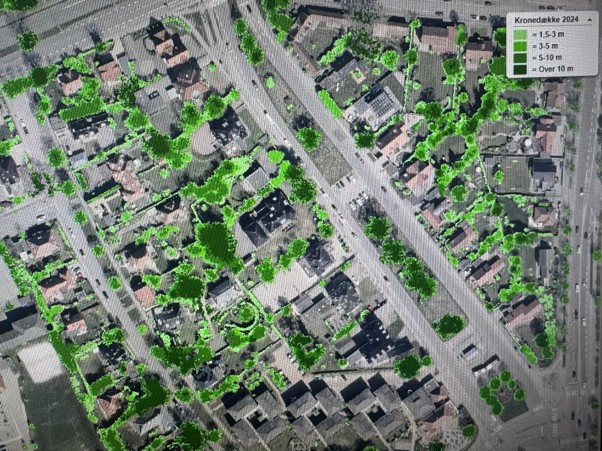
Mapping urban tree canopy cover in Aarhus, Denmark. The municipality uses canopy cover mapping as an important tool to identify priorities and plan interventions to increase urban greenery. The map shows tree canopy cover in different height categories. Image: City of Aarhus
But the discussion was not primarily about producing more plans. It was about what makes a plan matter. How do ambitions for trees and biodiversity survive when they meet detailed planning, construction, and budgets? How do ‘green’ planners communicate their importance to politicians? What happens when different municipal strategies point in different directions?
One participant captured the difference between an ambition and something that actually influences implementation. “If there is a paragraph about the green space factor in the contract, then it has an effect. If it is only a strategic idea, it can easily disappear.”
This is the kind of question the hub will continue to explore; not only which policies and planning tools exist, but how municipalities use them to turn green ambitions into everyday practice.
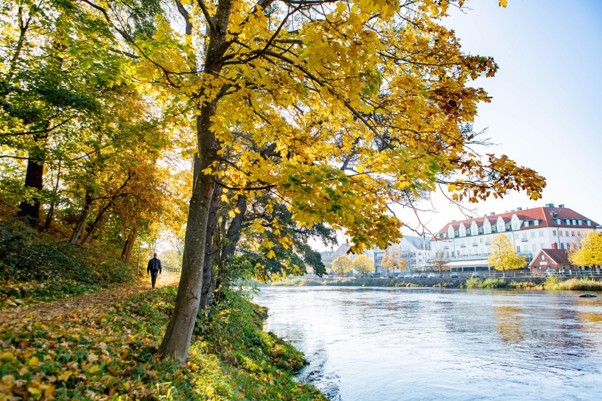
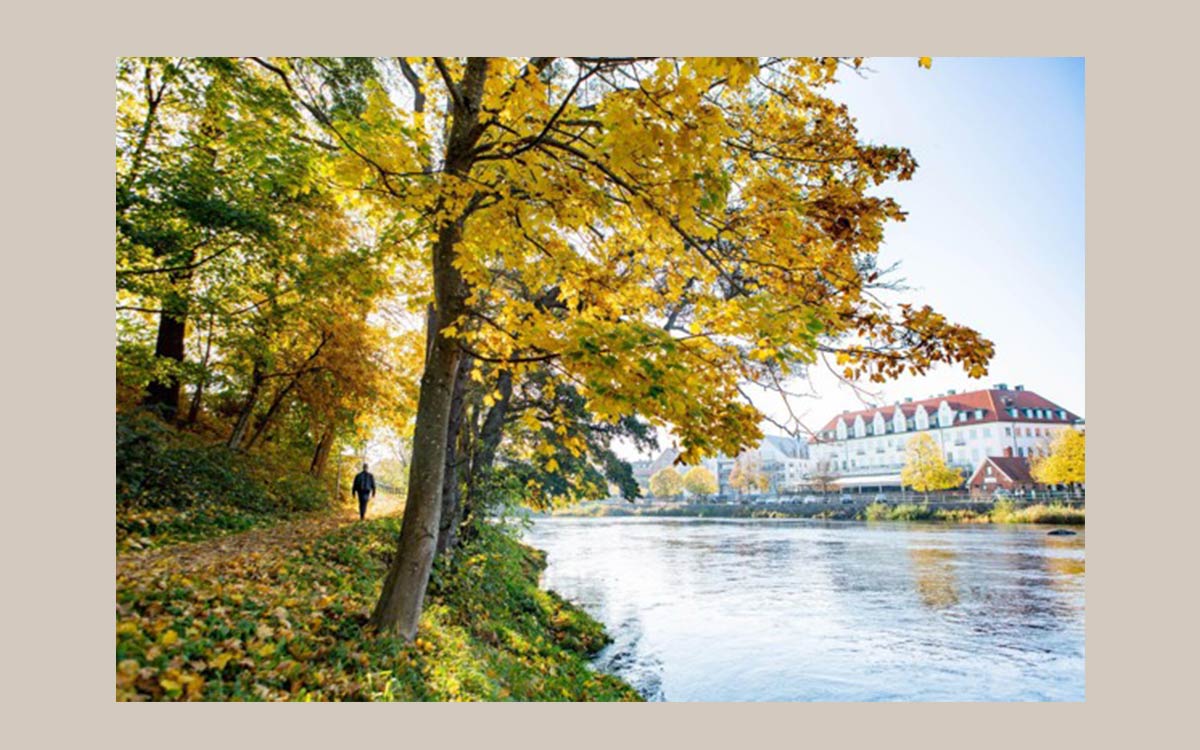
Doktorspromenaden along the River Ätran in central Falkenberg, Sweden. The riverside paths provide valued access to nature close to the city centre, while some areas face challenges from erosion and flooding. Areas closer to the sea will also be affected by rising sea levels. The municipality is currently upgrading several walking routes along the river through the Stråket Ätran project. Photo: Destination Falkenberg
Dense urban environments
In the Dense urban environments hub, the conversation quickly turned to physical aspects. There is simply a lot of competition for the same space in Nordic cities. Trees and vegetation meet (and often conflict with) pipes and cables, parking, buildings, cycling infrastructure, and emergency access. In older urban areas, the conflicts can be particularly difficult both above and below ground. A participant described the reaction of a colleague trying to find space for greenery. “Everyone is so angry with us. Everybody wants their space. Get out of my way. Get away from my pipeline.” This was funny to participants as it was very recognizable. But the discussion also revealed that what looks like a spatial problem can sometimes be an organisational one.
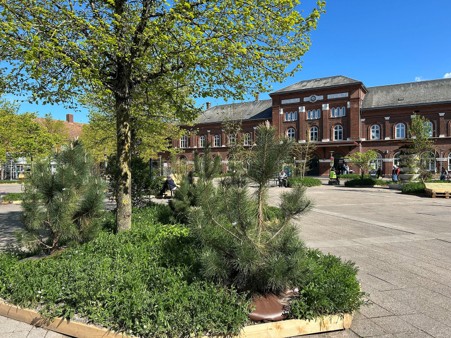
Temporary urban nature at the square outside Kolding railway station, Denmark. The municipality is exploring how sustainable greening interventions can transform grey, paved urban spaces and create new opportunities for vegetation in the city. Photo: City of Kolding
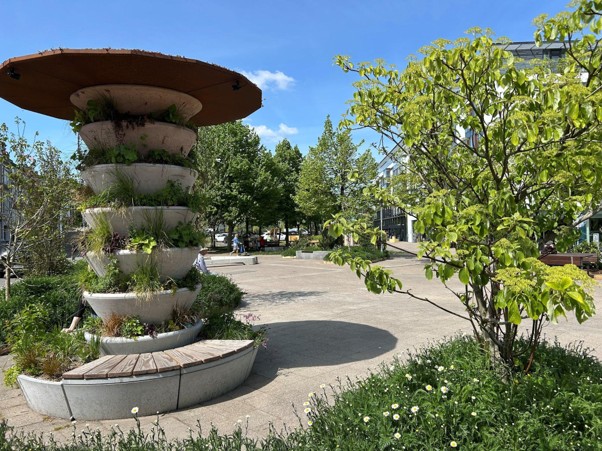
An urban planting installation in Kolding, Denmark, combining vegetation and seating in a paved public space mimicking a tree. The installation is part of the municipality’s exploration of sustainable ways to introduce more greenery into dense urban environments. Photo: City of Kolding.
One participant described the coordination meetings that take place before a street is excavated. People responsible for paths, paving, lighting, asphalt, and pipes are involved so that everything can be coordinated. The person responsible for trees was not. “Why am I not invited as well? Then I could say, ‘When you excavate this street, I want these particular areas to be filled with suitable soil. When I later have funding, I can plant trees here and here.’” The conclusion was simple. We need to start talking more with each other within municipalities.
The group also shared examples of municipalities trying to approach the competition for space differently. Reykjavík is considering using the 3+30+300 principle to identify areas where trees are most needed and then actively look for opportunities to create space there. As one participant explained, this changes the starting point. “Instead of simply finding somewhere to put another tree, you say, ‘We specifically need trees here because this area lacks them.’”
In Falkenberg, more than 40,000 square metres of meadow and a stormwater pond were established in a new housing area before most residents moved in, planning its green structure before the houses were built. Temporary parks and summer streets were discussed as another way to test what happens when space currently used for cars becomes space for people and greenery.
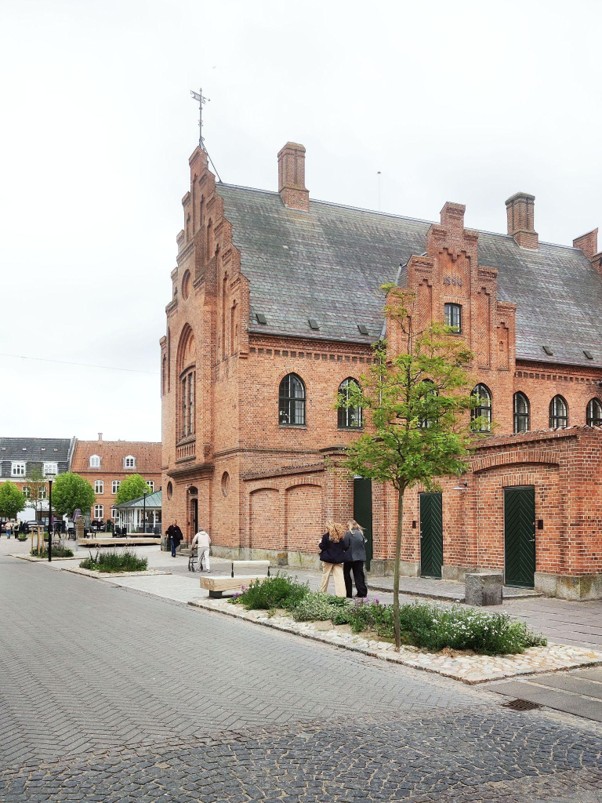
Green planting areas and seating integrated into the historic town centre of Sorø, Denmark. The example illustrates how urban greenery can be introduced into existing public spaces while supporting more attractive and welcoming environments. Photo: Sorø municipality
These examples give the hub something concrete to work with. How can municipalities make room for nature in places where there appears to be no room? Which solutions can be transferred? And which organisational changes need to happen alongside the physical ones?
Rural landscapes
The Rural landscapes hub takes us beyond the dense city, something which is particularly important in a Nordic context. Municipal responsibility does not end at the urban edge, and for many municipalities rural and peri-urban landscapes make up much of their territory.
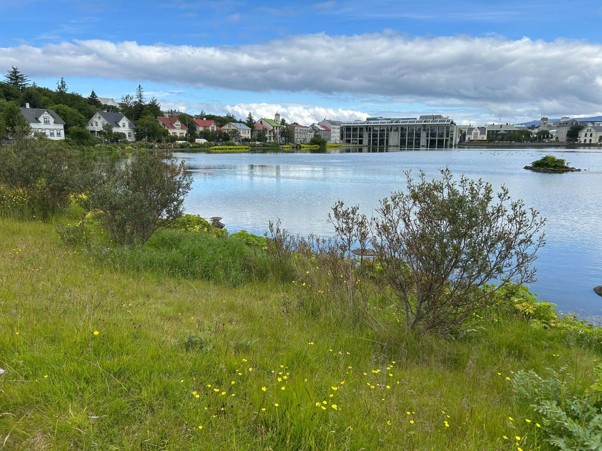
Tjörnin lake in central Reykjavík, Iceland. Urban water bodies and surrounding green spaces form part of the wider green-blue network, highlighting the importance of considering ecological connections beyond individual sites and planning projects. Photo: City of Reyjavik
The Stockholm discussions included grazing as a way to manage invasive species and maintain open landscapes, wetland restoration, community forestry, and mapping of areas with restoration potential. Jyväskylä and Reykjavík discussed experiences with grazing while Ålesund brought perspectives on restoration. Here, the question of who actually implements a nature-based solution becomes particularly interesting.
Much of the land in municipalities is privately owned. One example from Finland involved a farmer close to a city who wanted to plant many trees and essentially create an urban forest. When he approached the municipality, the initial response was straightforward. “That isn’t our responsibility. You’re a private landowner.” But there was a school nearby and the proposed forest could contribute to the wider green structure. Suddenly it became relevant to the municipality as well. The discussion shifted towards whether some kind of task force could bring the different interests together.
Cases like this show why the rural hub is not simply about finding the right ecological intervention. It is also about understanding land ownership, local knowledge, as well as the relationships between municipalities, farmers, landowners and communities.
Partnerships and funding
The Partnerships and funding hub might seem to be primarily about finding financing for nature-based solutions. The Stockholm discussion showed that it is broader than that.
One participant had contacted colleagues in the municipal water and wastewater department before coming to the workshop. Both their departments were working with stormwater, but from different perspectives: one focused more on conventional sewage systems and pipes while the other was exploring nature based solutions. Both departments had reached a simple conclusion: they needed to work together more. Rain gardens and other nature-based solutions could potentially reduce pollution before stormwater reaches the wastewater system. That could benefit nature while also reducing costs elsewhere in the municipality. “It could be a win win solution for both nature and the municipality.”
The discussion then widened to businesses, non-governmental groups, developers, insurance companies, and the financial sector. As one participant reflected, different sectors often look to each other for resources. “I used to work in academia, where everyone said, ‘We have to work more with the private sector because that’s where the money is.’ Now I work in the private sector, and people say, ‘We should work more with academia because that’s where the money is.’ No one has money, but people want to work together.”
This also highlights that partnerships are about more than funding. Different actors work with different responsibilities, incentives, and timelines. A municipality may plan over several years, while a local business might be able to act almost immediately. Finding ways to work across these differences, and understanding what each partner can contribute, will be an important part of the hub.
Questions that connect the hubs
The conversations within the hubs rarely stayed neatly within the respective theme. Maintenance was one example of how discussions often bridged over different hub topics.
Kolding shared experiences from meadows and temporary planting beds. Residents appreciated the greenery, but some trees later had to be removed because they did not survive. “We have good intentions, but maintenance practices haven’t fully caught up.”
The group discussed an example from Enköping where small areas of frequently cut grass had successfully been replaced with perennial planting. The municipality had staff with the knowledge to maintain them. When a similar idea was transferred elsewhere, it failed because the maintenance organisation was different and contractors did not have the same knowledge. This is exactly why exchanging examples is useful, but copying them is not enough.
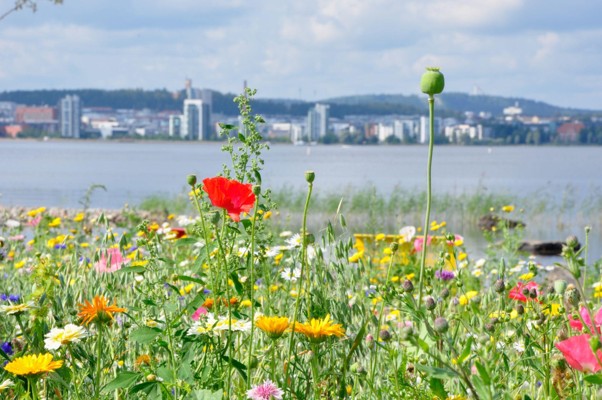
Flower-rich urban vegetation along the waterfront in Jyväskylä, Finland. Meadows and diverse planting can contribute to urban biodiversity, while also raising questions about the knowledge, resources and maintenance practices needed to sustain nature-based solutions over time. Photo: City of Jyväskylä
The same applies to scaling. A solution that works in Malmö, Stockholm, or Copenhagen may inspire another municipality, but rainfall, winter conditions, maintenance capacity, budgets, and governance differ. The interesting question for the hubs is therefore not only what works? It is also why did it work there and what would need to change for it to work here?
A place to share the mistakes too
The hubs will now continue throughout Nordlocal as places for peer exchange and co-production. Demonstration cases will allow us to follow some of these questions in real settings and the experiences will feed into practical guidance for municipalities.
But the Stockholm workshop also gave us a useful reminder about what kind of knowledge municipalities want to exchange. It is not only success stories. One participant said
“I would also like to hear about what went wrong and why. We always talk about successful projects and show what they look like, but we don’t talk enough about failures. I think we also learn from mistakes.” Someone else quickly suggested “You could write a handbook of mistakes.”
There is something important in that exchange. The four Nordlocal hubs are not intended to be abstract project themes. They grew out of challenges raised by municipalities themselves and will continue to develop through real cases, practical experience and conversations between people working with these questions.
Over the coming months, the hubs will give us a structure for asking better questions together. What made a specific solution possible? Who needed to be involved? How was it funded? What happened during maintenance? What failed? What could another municipality take from the experience? The answers will not be the same everywhere. That is precisely why we need this municipal exchange and peer learning.
Read more about how to join Nordlocal here:
https://traekontoret.dk/nord-local/
Følg vores arbejde for et grønnere samfund.
2026-10-20
Kilde: Nord-local
From shared challenges to practical action for Nordic nature-based solutions
Hvordan kan nordiske kommuner gå fra ambitioner til konkrete løsninger for at integrere naturbaserede løsninger i samfundsplanlægningen? På Nordlocals seneste workshop i Stockholm diskuterede kommuner og projektpartnere blandt andet grønne løsninger i tætte bymiljøer, natur i landdistrikterne og betydningen af samarbejde.
Læs om erfaringerne, og om hvordan videndeling kan bidrage til mere bæredygtige, grønne miljøer.
Læs hele blogindlægget her
2026-09-16
Kilde: Nord-local
Making the Case for Nature-Based Solutions: Why Economic Valuation Matters
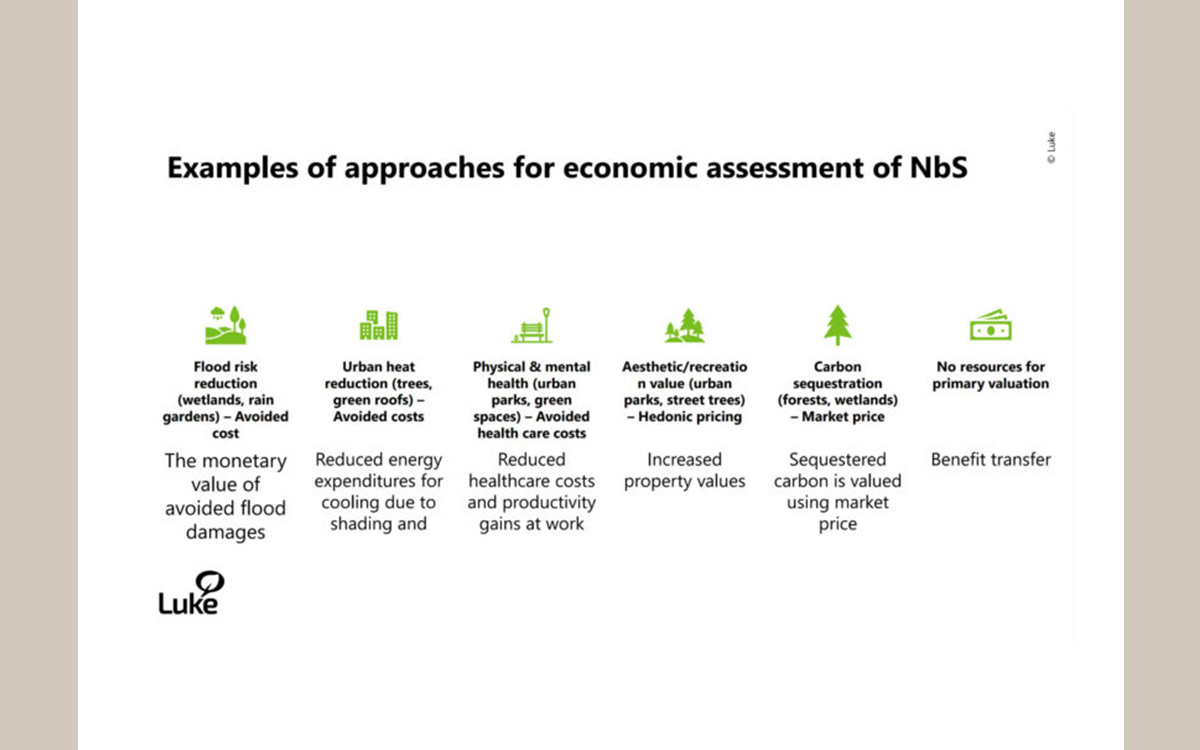
Hvordan kan kommuner synliggøre naturens værdier, når forskellige investeringer konkurrerer om begrænsede ressourcer? Inden for Nordlocal undersøger forskere ved Natural Resources Institute Finland (Luke), hvordan økonomisk værdisætning kan bidrage til bedre beslutninger om naturbaserede løsninger.
I artiklen fortæller vi mere om forskellige metoder til at værdisætte naturens goder – fra klimatilpasning og sundhed til biodiversitet og rekreation – og hvorfor økonomiske tal skal fortolkes med omtanke.
Læs hele blogindlægget her
2026-09-10
Kilde: Grønt Miljø
3+30+300 – mere end tre tal
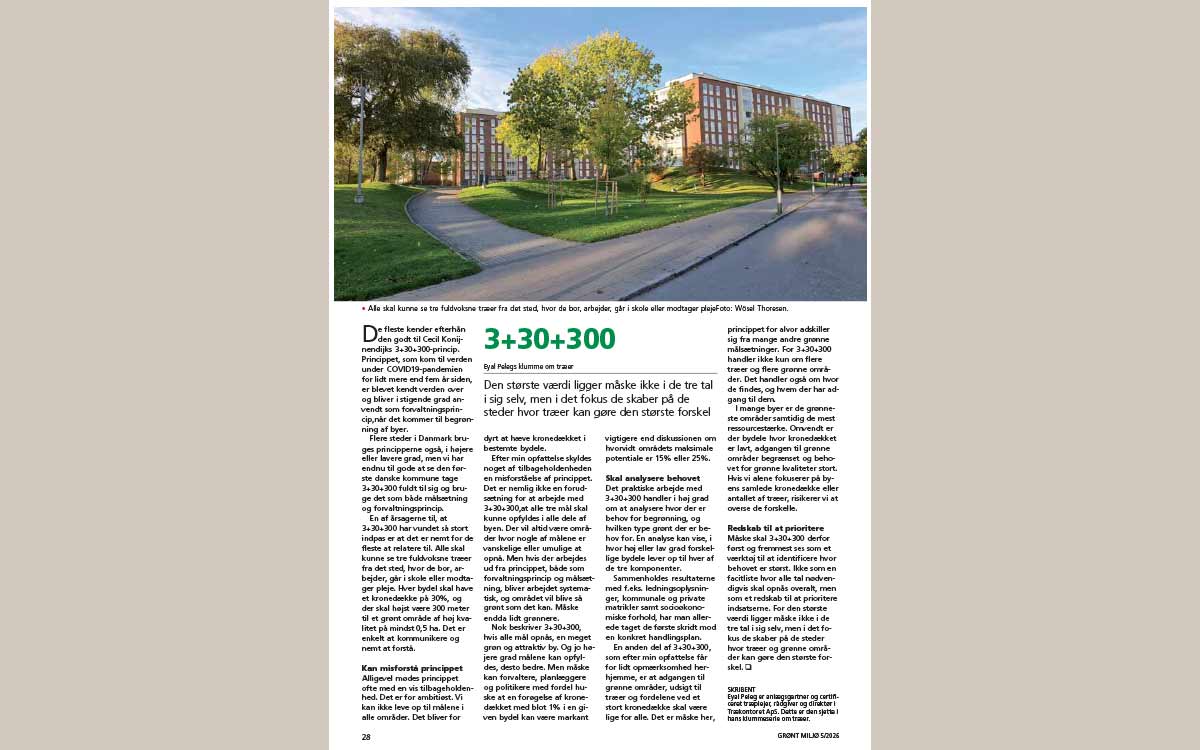
3+30+300-princippet er blevet et internationalt kendt værktøj til at gøre byer grønnere. Men principperne handler ikke om, at alle mål skal opfyldes overalt. De kan i stedet bruges til at identificere, hvor behovet for mere grønt er størst, og prioritere indsatser dér, hvor træer og grønne områder kan gøre den største forskel.
Læs hele artiklen her:
2026-07-24
Kilde: Nord-local
Nordlocal perspectives: what makes nature-based solutions Nordic?
Hvordan påvirker det nordiske klima arbejdet med naturbaserede løsninger?
På den første Nordlocal-workshop diskuterede kommuner fra hele Norden, hvordan klima, lokale forhold og langsigtet forvaltning påvirker arbejdet med naturbaserede løsninger.
Læs hele blogindlægget her.
2026-07-02
Kilde: Event
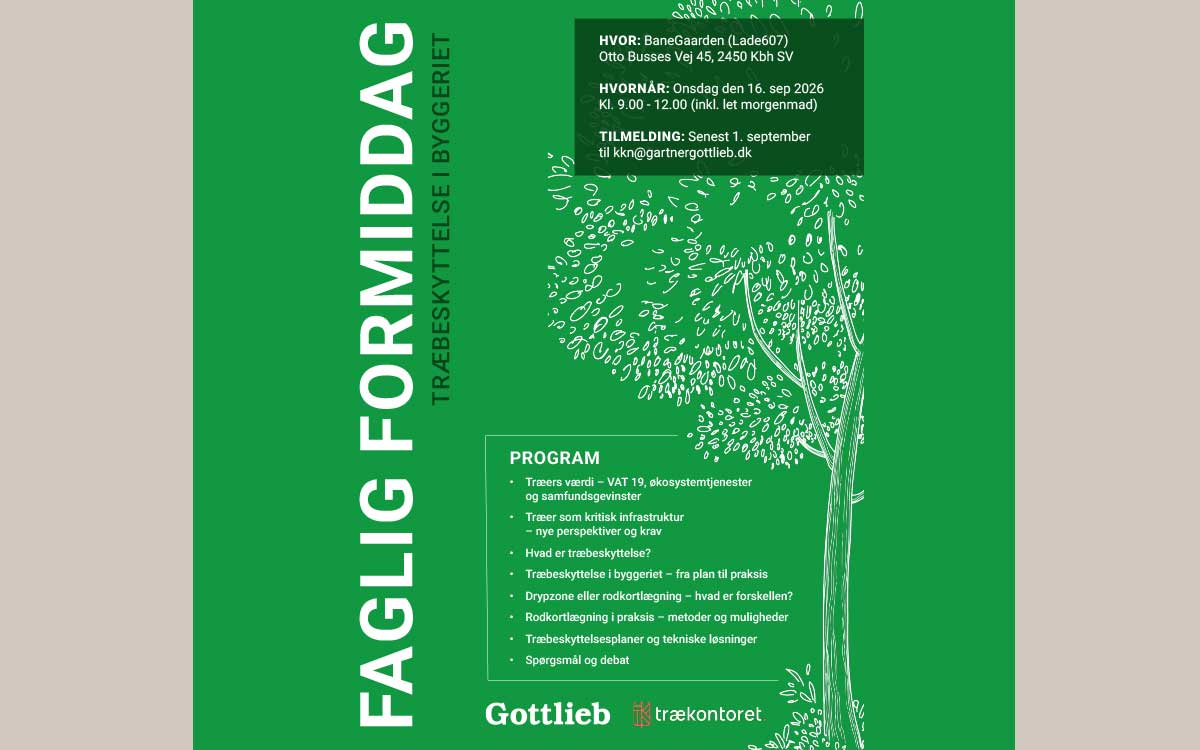
Faglig formiddag om træbeskyttelse i byggeriet
Hvordan sikrer vi, at eksisterende træer bevares bedst muligt i forbindelse med byggeri og anlæg? Sammen med Anlægsgartner Gottlieb A/S inviterer Trækontoret til en gratis faglig formiddag med fokus på træbeskyttelse – fra de første planer til det færdige anlæg.
Vi sætter fokus på træers værdi, træbeskyttelse i praksis, rodkortlægning og de nyeste faglige metoder. Arrangementet henvender sig til alle, der arbejder med træer i relation til byggeri og anlæg.
📅 16. september 2026 | 📍 BaneGaarden, København
Læs mere om programmet og tilmelding
2026-06-24
Kilde: Grønt Miljø
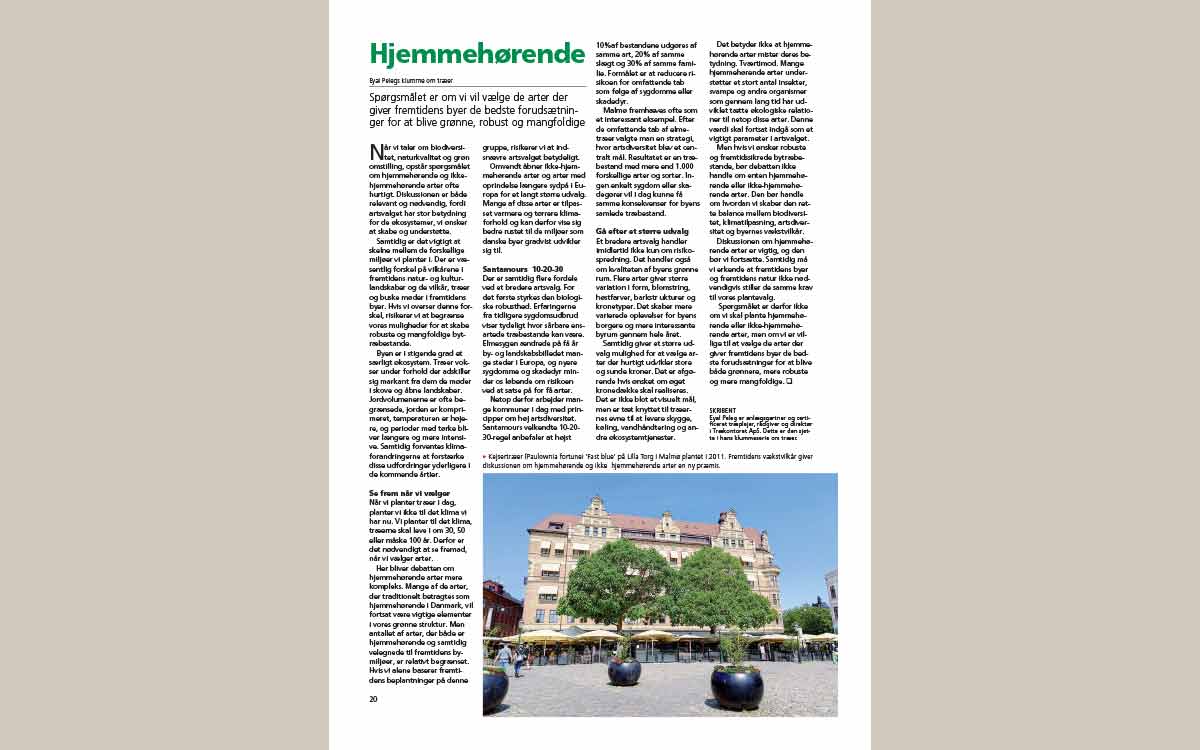
Hjemmehørende – men for hvem?
Når vi planter træer i dag, planter vi ikke kun til nutiden, men til fremtidens byer. I denne klumme sætter Eyal Peleg fokus på debatten om hjemmehørende og ikke-hjemmehørende arter og spørger, om vi er villige til at vælge de arter, der bedst kan sikre grønne, robuste og mangfoldige bymiljøer i et varmere og mere udfordret klima.
Læs hele artiklen her.
2026-05-04
Kilde: Nord-local
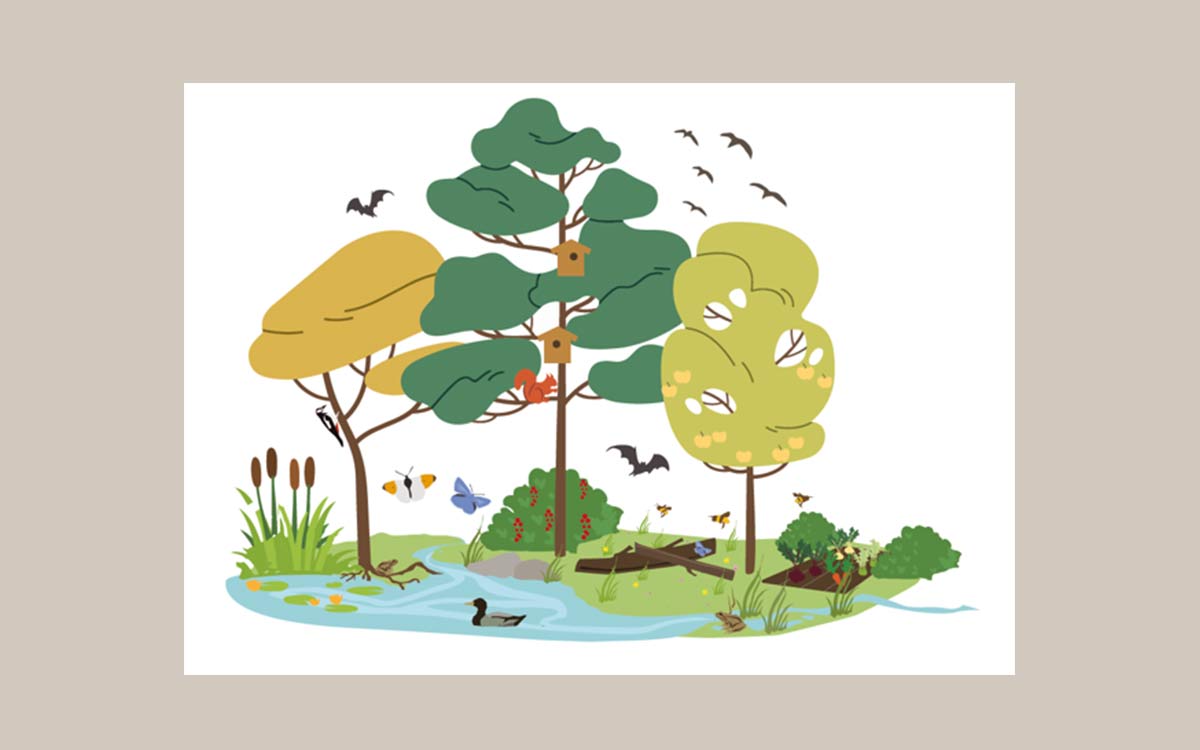
Nordlocal – Scaling Nature-Based Solutions through local Nordic Action
Nordlocal samler kommuner og eksperter fra hele Norden for at gøre det lettere at implementere og opskalere naturbaserede løsninger. Gennem samarbejde, erfaringsudveksling og praktisk afprøvning omsættes viden til konkrete løsninger i lokale miljøer.
Læs hele blogindlægget her.
2026-03-01
Kilde: Grønt Miljø
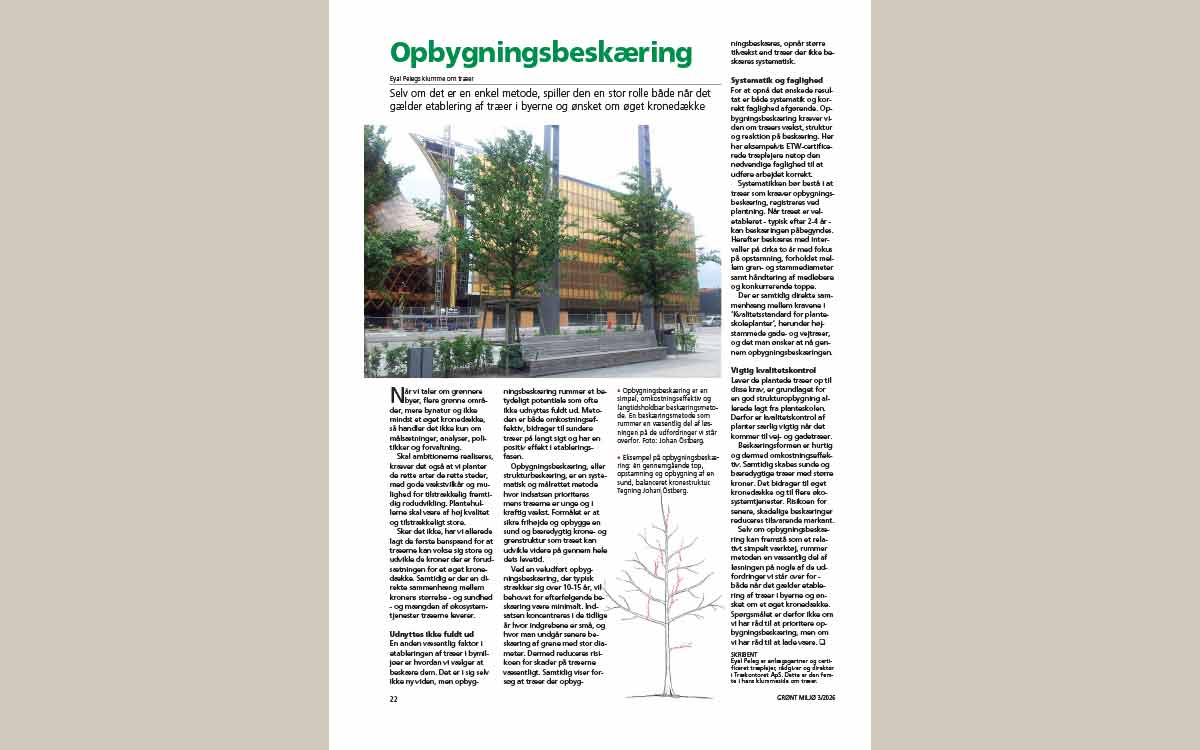
Opbygningsbeskæring: En lille indsats med stor effekt
Vil vi have større, sundere træer og mere kronedække i byerne, begynder arbejdet længe før træerne er fuldt udvoksede. I denne klumme forklarer Eyal Peleg, hvorfor opbygningsbeskæring er et af de mest effektive redskaber til at sikre robuste træer med stærke kronestrukturer. En målrettet indsats i de første leveår kan reducere fremtidige problemer og samtidig styrke træernes vækst og økosystemtjenester.
Læs hele artiklen her.
2026-02-09
Kilde: Pressmedelande
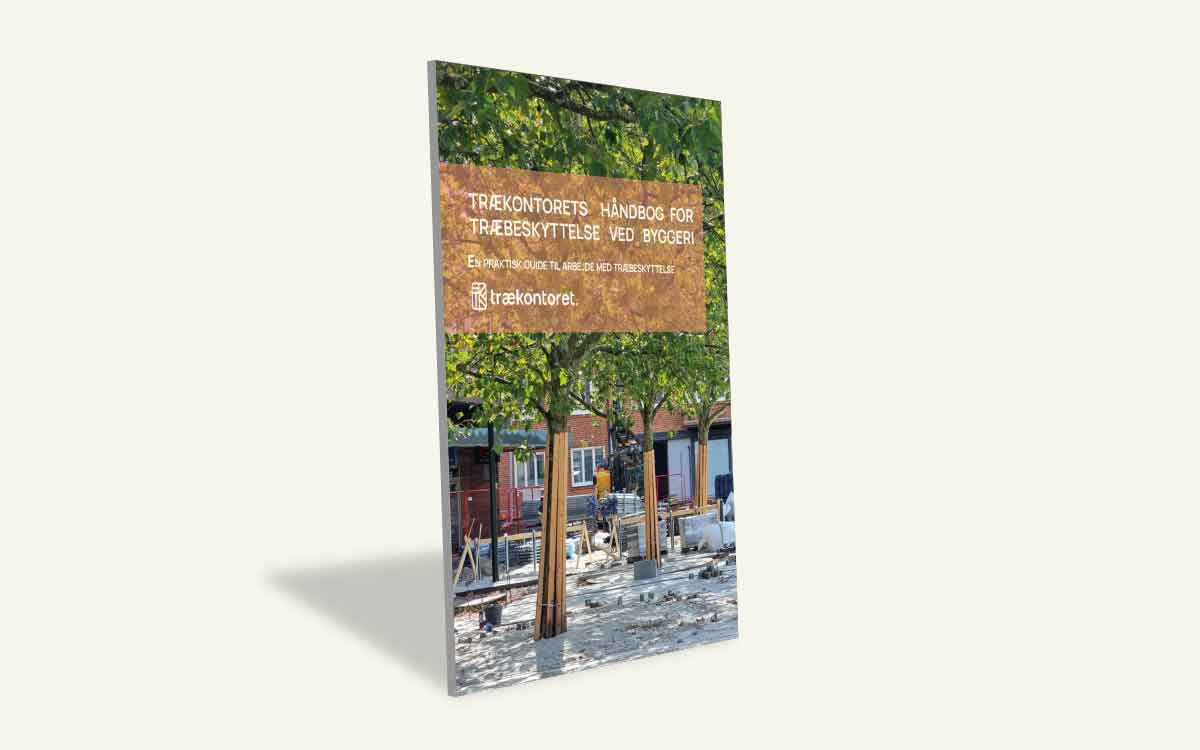
Trækontoret lancerer en ny håndbog om træbeskyttelse ved byggeri
Trækontoret lancerer en ny håndbog om træbeskyttelse ved byggeri. Håndbogen er udarbejdet med afsæt i erfaringer og principper fra den svenske standard SS 990002:2025 – Trädvård – Arbete vid träd – Skydd av träd vid planering og utførelse samt den svenske håndbog, og er tilpasset danske forhold, praksis og begreber.
Håndbogen er et praktisk redskab for alle, der arbejder med planlægning og udførelse af bygge- og anlægsprojekter i nærheden af træer, og håbet er, at den kan være til inspiration for, hvordan principper for træbeskyttelse kan omsættes til konkrete løsninger i praksis.
Håndbogen kan downloades gratis her
2026-02-01
Kilde: Grønt Miljø
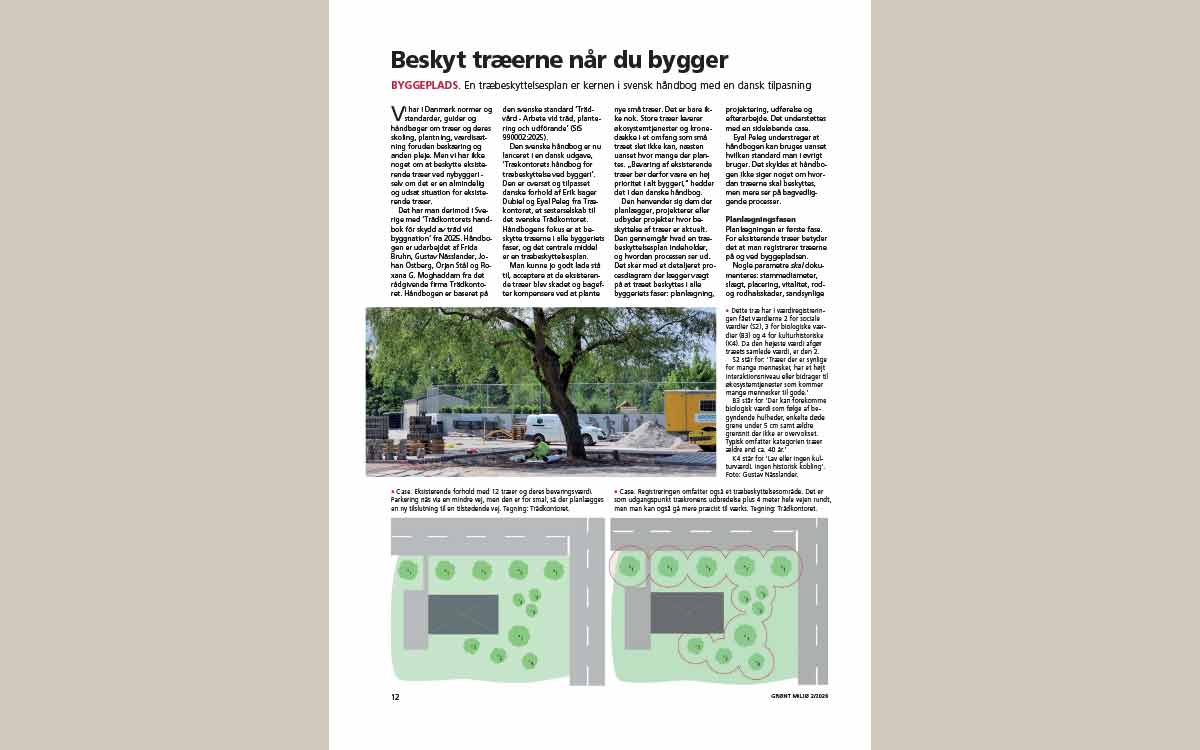
Ny håndbog sætter fokus på træbeskyttelse ved byggeri
Når byggeprojekter planlægges, er eksisterende træer ofte blandt de mest sårbare elementer på byggepladsen. En ny dansk udgave af Trækontorets håndbog for træbeskyttelse ved byggeri giver konkrete værktøjer til at beskytte træer gennem hele byggeprocessen. I artiklen gennemgås håndbogens centrale principper, herunder træbeskyttelsesplaner, bevaringsvurderinger og afgrænsning af træbeskyttelsesområder.
Læs hele artiklen her.
2026-02-01
Kilde: Grønt Miljø
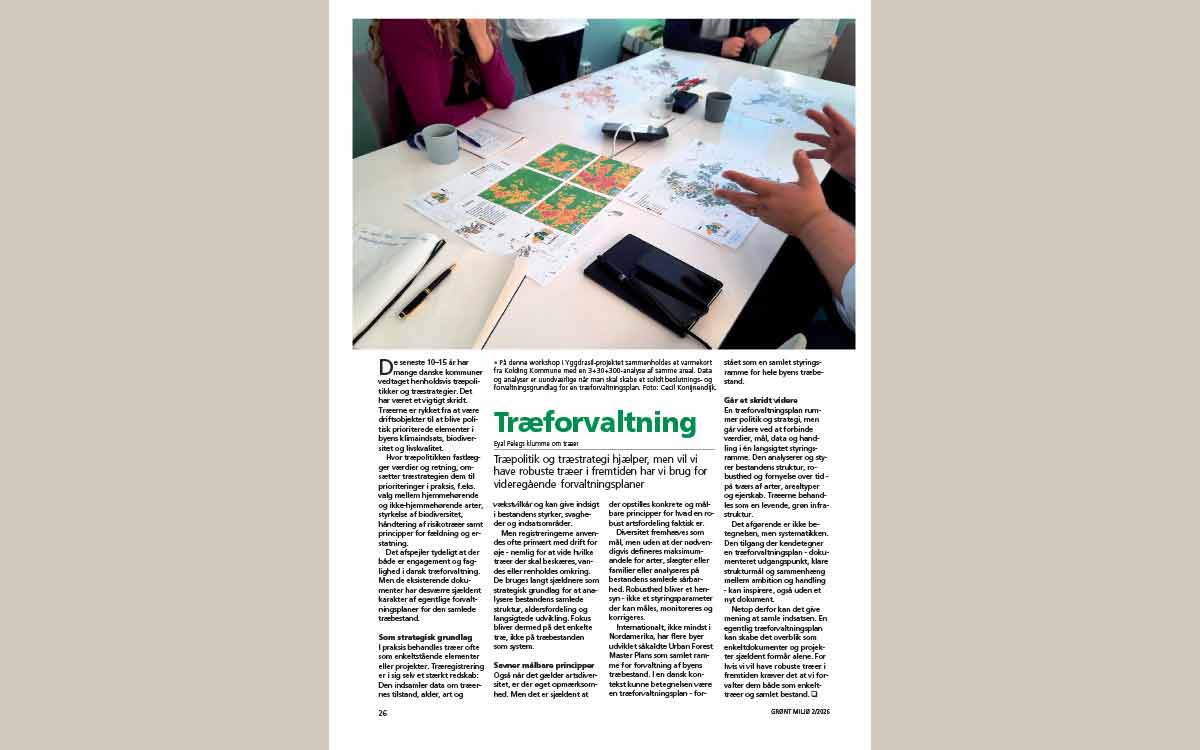
Fra træstrategi til træforvaltningsplan
Mange kommuner har i dag træpolitikker og træstrategier, men er det nok til at sikre robuste træbestande på lang sigt? I denne klumme argumenterer Eyal Peleg for, at fremtidens træforvaltning kræver en mere helhedsorienteret tilgang, hvor træerne betragtes som en samlet grøn infrastruktur. Læs om, hvorfor træforvaltningsplaner kan blive det næste vigtige skridt for danske kommuner.
Læs hele artiklen her.
2026-01-01
Kilde: Grønt Miljø
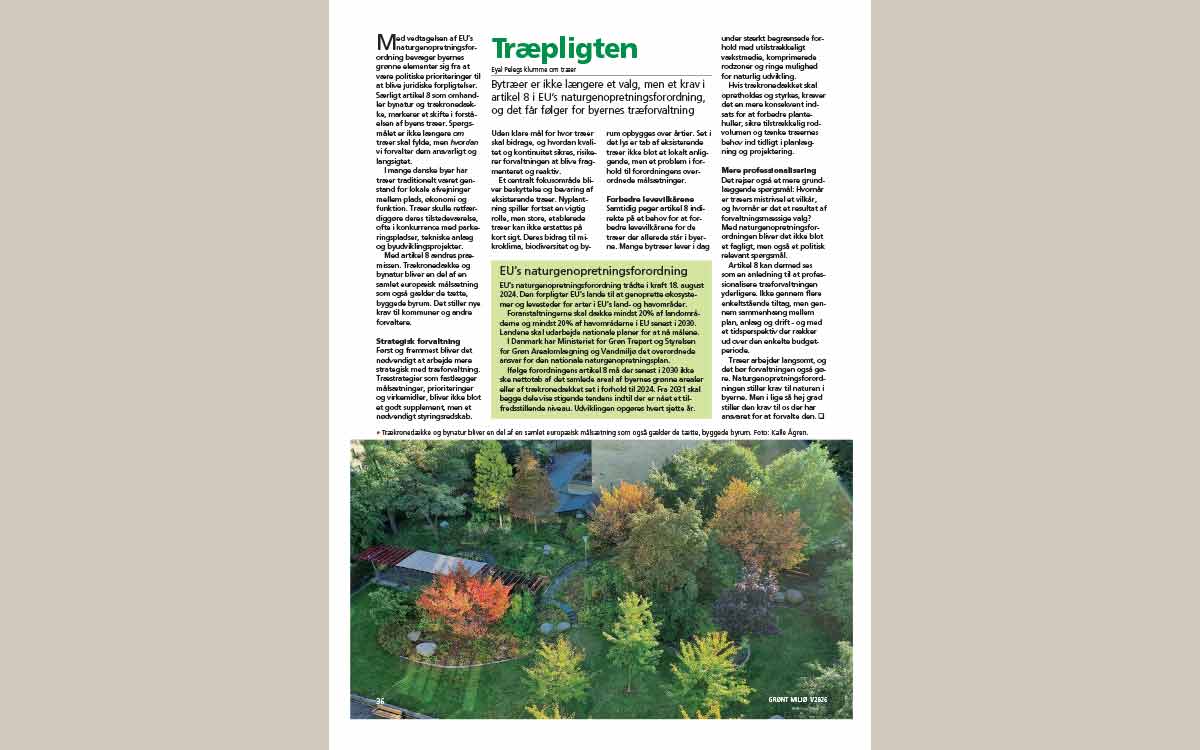
EU gør bytræer til en forpligtelse
Med EU’s naturgenopretningsforordning er bytræer ikke længere blot et politisk valg, men en del af en juridisk forpligtelse. I denne klumme ser Eyal Peleg nærmere på, hvad artikel 8 betyder for kommuner og andre træforvaltere, og hvorfor strategisk planlægning, beskyttelse af eksisterende træer og bedre vækstvilkår bliver afgørende for fremtidens bynatur.
Læs hele artiklen her.
2025-09-03
Kilde: Pressmedelande
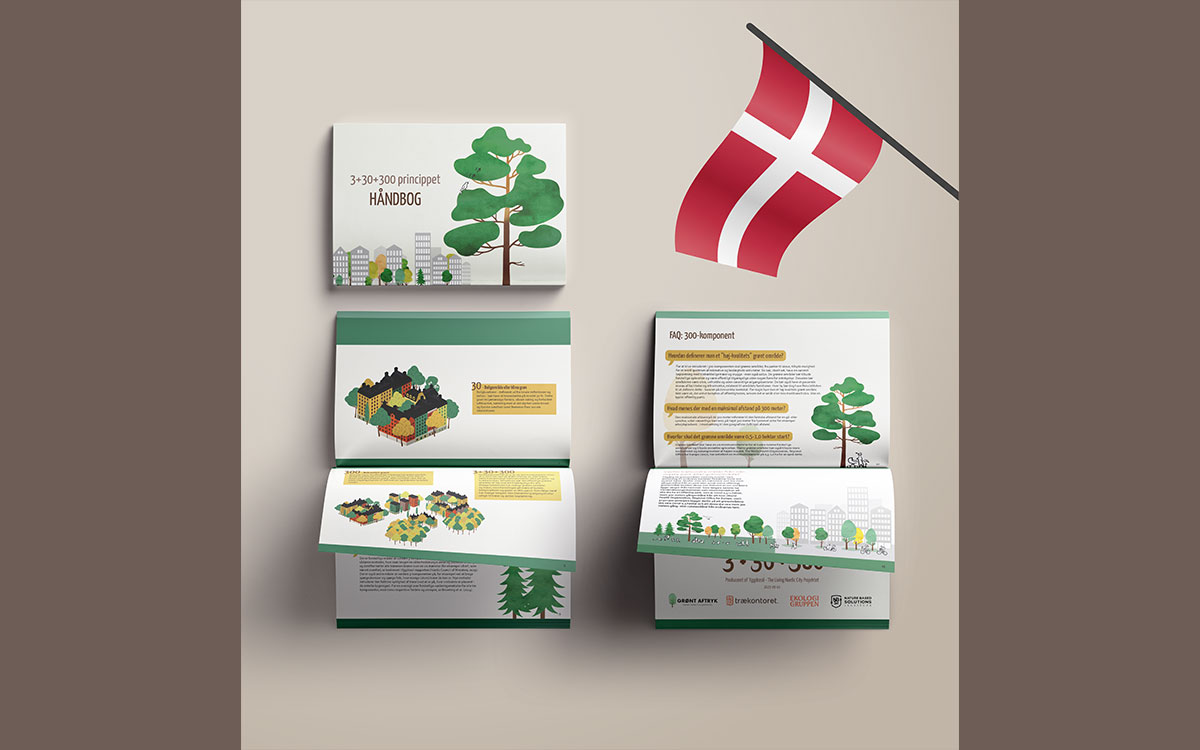
Håndbogen for 3+30+300-princippet findes nu på dansk!
Håndbogen for 3+30+300-princippet, udviklet inden for Yggdrasil-projektet, er nu endelig oversat til dansk!
Princippet er et konkret redskab til at arbejde strategisk med træer i byen – fra planlægning og politik til praktisk anvendelse. Det bygger på tre klare retningslinjer:
🌳 Mindst 3 træer fra hver bolig 🌳 30 % kronedække i hvert byområde 🌳 300 meter til nærmeste grønne område.
2025-09-01
Kilde: Pressemeddelelser
Velkommen, Trækontoret Danmark!
Vi er utrolig stolte af at kunne annoncere, at Trækontoret fra den 1. september 2025 officielt etablerer sig i Danmark! Vi er allerede en førende aktør inden for træforvaltning i Sverige og Norge, og nu ser vi frem til at bidrage til at skabe grønnere og sundere byer i Danmark.
Det danske kontor, Trækontoret ApS, vil blive ledet af den nye administrerende direktør, Eyal Peleg. Sammen med vores stærke nordiske team vil Eyal og det danske team tilbyde kvalificeret rådgivning inden for professionel træforvaltning og -planlægning.
2025-08-01
Kilde: Grønt Miljø
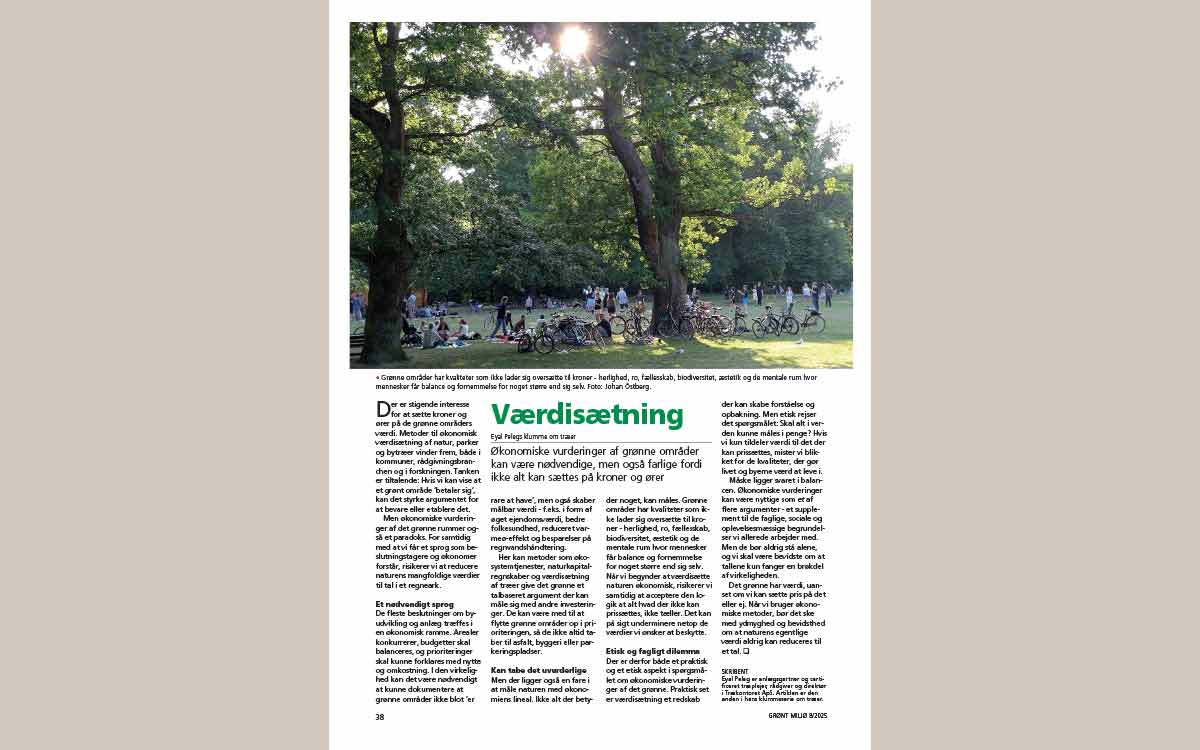
Værdisætning af det grønne – nødvendigt redskab eller farlig forenkling?
Kan naturens og byens grønne områder måles i kroner og øre? I denne klumme undersøger Eyal Peleg fordelene og udfordringerne ved økonomisk værdisætning af parker, træer og natur. Artiklen diskuterer, hvordan økonomiske argumenter kan styrke grønne investeringer – men også hvorfor nogle af naturens vigtigste værdier aldrig kan reduceres til et tal.
Læs hele artiklen her.
2025-07-01
Kilde: Grønt Miljø
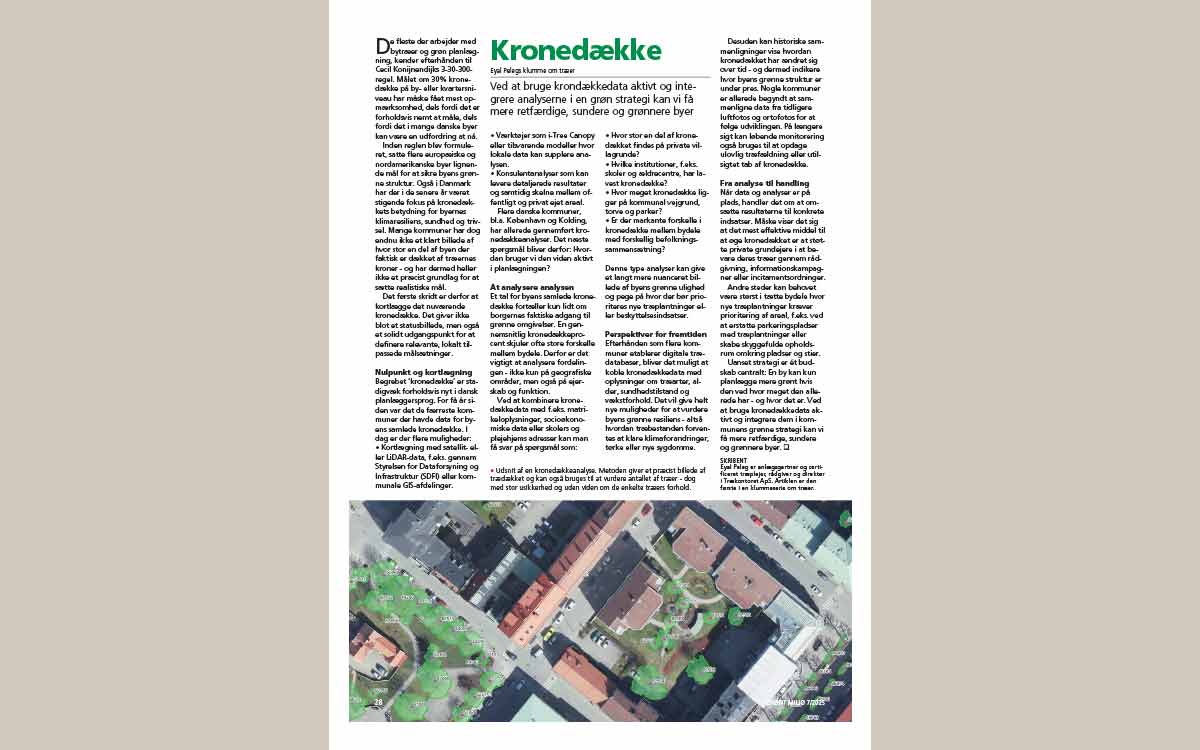
Kronedække: Nøglen til grønnere og mere retfærdige byer
Hvordan kan kommuner bruge viden om træernes kronedække til at skabe sundere, mere klimarobuste og mere lige bymiljøer? I den første artikel i en ny klummeserie om træer sætter anlægsgartner, certificeret træplejer og direktør i Trækontoret ApS, Eyal Peleg, fokus på kronedækkets betydning for fremtidens byplanlægning. Læs om, hvordan data og analyser kan omsættes til konkrete grønne indsatser – fra kortlægning til handling.
Læs hele artiklen her.
Ålesund, Norway, where the built environment meets the sea and surrounding mountains. Nordic municipalities face different geographical conditions, but share many challenges in integrating nature-based solutions into urban and regional planning. Photo: Ålesund Municipality
How do we move nature-based solutions from promising projects to something that becomes part of everyday municipal planning? When the Nordlocal municipal network first met earlier this year, we asked municipalities across the Nordic region about the challenges they face when implementing nature-based solutions. Their answers ranged from finding space for trees and securing long-term maintenance to working across municipal departments, attracting funding, and managing nature beyond the urban core.Those discussions helped us define four thematic hubs for Nordlocal: Plans and policies, Dense urban environments, Rural landscapes, and Partnerships and funding.
Thematic hubs as vehicles for change
The hubs will stay with us throughout the Nordlocal project. They are intended as spaces for co-production and peer learning where municipalities, researchers, and practitioners can work with real cases, exchange experiences, and develop practical knowledge together. Rather than starting with what we think municipalities need, the idea is to keep returning to the people dealing with these questions in their everyday work. Our second municipal workshop, held in person in Stockholm, gave us the first opportunity to put this approach into practice.
Over two days, participants from Reykjavík, Falkenberg, Jyväskylä, Kolding, and Ålesund met together with the project partners. Colleagues from Aarhus, Bergen and Sorø joined parts of the workshop online. The discussions moved easily between policies and pipes, wetlands, parking spaces, budgets and maintenance. They also showed why the four hubs are closely connected. A tree can be part of a municipal strategy, compete with underground infrastructure for space, require cooperation between several departments, and ultimately depend on whether someone has the resources and knowledge to maintain it.
Plans and policies
The Plans and policies hub looks at how nature based solutions become part of the structures and strategies that guide municipal development. In Stockholm, Kolding shared experiences from its work with tree planning and its new urban nature plan, while Falkenberg’s new tree plan and green blue strategy were also discussed as potential cases. Reykjavík brought perspectives on strengthening green connections through the city.
Mapping urban tree canopy cover in Aarhus, Denmark. The municipality uses canopy cover mapping as an important tool to identify priorities and plan interventions to increase urban greenery. The map shows tree canopy cover in different height categories. Image: City of Aarhus
But the discussion was not primarily about producing more plans. It was about what makes a plan matter. How do ambitions for trees and biodiversity survive when they meet detailed planning, construction, and budgets? How do ‘green’ planners communicate their importance to politicians? What happens when different municipal strategies point in different directions?
One participant captured the difference between an ambition and something that actually influences implementation. “If there is a paragraph about the green space factor in the contract, then it has an effect. If it is only a strategic idea, it can easily disappear.”
This is the kind of question the hub will continue to explore; not only which policies and planning tools exist, but how municipalities use them to turn green ambitions into everyday practice.
Doktorspromenaden along the River Ätran in central Falkenberg, Sweden. The riverside paths provide valued access to nature close to the city centre, while some areas face challenges from erosion and flooding. Areas closer to the sea will also be affected by rising sea levels. The municipality is currently upgrading several walking routes along the river through the Stråket Ätran project. Photo: Destination Falkenberg
Dense urban environments
In the Dense urban environments hub, the conversation quickly turned to physical aspects. There is simply a lot of competition for the same space in Nordic cities. Trees and vegetation meet (and often conflict with) pipes and cables, parking, buildings, cycling infrastructure, and emergency access. In older urban areas, the conflicts can be particularly difficult both above and below ground. A participant described the reaction of a colleague trying to find space for greenery. “Everyone is so angry with us. Everybody wants their space. Get out of my way. Get away from my pipeline.” This was funny to participants as it was very recognizable. But the discussion also revealed that what looks like a spatial problem can sometimes be an organisational one.
Temporary urban nature at the square outside Kolding railway station, Denmark. The municipality is exploring how sustainable greening interventions can transform grey, paved urban spaces and create new opportunities for vegetation in the city. Photo: City of Kolding
An urban planting installation in Kolding, Denmark, combining vegetation and seating in a paved public space mimicking a tree. The installation is part of the municipality’s exploration of sustainable ways to introduce more greenery into dense urban environments. Photo: City of Kolding.
One participant described the coordination meetings that take place before a street is excavated. People responsible for paths, paving, lighting, asphalt, and pipes are involved so that everything can be coordinated. The person responsible for trees was not. “Why am I not invited as well? Then I could say, ‘When you excavate this street, I want these particular areas to be filled with suitable soil. When I later have funding, I can plant trees here and here.’” The conclusion was simple. We need to start talking more with each other within municipalities.
The group also shared examples of municipalities trying to approach the competition for space differently. Reykjavík is considering using the 3+30+300 principle to identify areas where trees are most needed and then actively look for opportunities to create space there. As one participant explained, this changes the starting point. “Instead of simply finding somewhere to put another tree, you say, ‘We specifically need trees here because this area lacks them.’”
In Falkenberg, more than 40,000 square metres of meadow and a stormwater pond were established in a new housing area before most residents moved in, planning its green structure before the houses were built. Temporary parks and summer streets were discussed as another way to test what happens when space currently used for cars becomes space for people and greenery.
Green planting areas and seating integrated into the historic town centre of Sorø, Denmark. The example illustrates how urban greenery can be introduced into existing public spaces while supporting more attractive and welcoming environments. Photo: Sorø municipality
These examples give the hub something concrete to work with. How can municipalities make room for nature in places where there appears to be no room? Which solutions can be transferred? And which organisational changes need to happen alongside the physical ones?
Rural landscapes
The Rural landscapes hub takes us beyond the dense city, something which is particularly important in a Nordic context. Municipal responsibility does not end at the urban edge, and for many municipalities rural and peri-urban landscapes make up much of their territory.
Tjörnin lake in central Reykjavík, Iceland. Urban water bodies and surrounding green spaces form part of the wider green-blue network, highlighting the importance of considering ecological connections beyond individual sites and planning projects. Photo: City of Reyjavik
The Stockholm discussions included grazing as a way to manage invasive species and maintain open landscapes, wetland restoration, community forestry, and mapping of areas with restoration potential. Jyväskylä and Reykjavík discussed experiences with grazing while Ålesund brought perspectives on restoration. Here, the question of who actually implements a nature-based solution becomes particularly interesting.
Much of the land in municipalities is privately owned. One example from Finland involved a farmer close to a city who wanted to plant many trees and essentially create an urban forest. When he approached the municipality, the initial response was straightforward. “That isn’t our responsibility. You’re a private landowner.” But there was a school nearby and the proposed forest could contribute to the wider green structure. Suddenly it became relevant to the municipality as well. The discussion shifted towards whether some kind of task force could bring the different interests together.
Cases like this show why the rural hub is not simply about finding the right ecological intervention. It is also about understanding land ownership, local knowledge, as well as the relationships between municipalities, farmers, landowners and communities.
Partnerships and funding
The Partnerships and funding hub might seem to be primarily about finding financing for nature-based solutions. The Stockholm discussion showed that it is broader than that.
One participant had contacted colleagues in the municipal water and wastewater department before coming to the workshop. Both their departments were working with stormwater, but from different perspectives: one focused more on conventional sewage systems and pipes while the other was exploring nature based solutions. Both departments had reached a simple conclusion: they needed to work together more. Rain gardens and other nature-based solutions could potentially reduce pollution before stormwater reaches the wastewater system. That could benefit nature while also reducing costs elsewhere in the municipality. “It could be a win win solution for both nature and the municipality.”
The discussion then widened to businesses, non-governmental groups, developers, insurance companies, and the financial sector. As one participant reflected, different sectors often look to each other for resources. “I used to work in academia, where everyone said, ‘We have to work more with the private sector because that’s where the money is.’ Now I work in the private sector, and people say, ‘We should work more with academia because that’s where the money is.’ No one has money, but people want to work together.”
This also highlights that partnerships are about more than funding. Different actors work with different responsibilities, incentives, and timelines. A municipality may plan over several years, while a local business might be able to act almost immediately. Finding ways to work across these differences, and understanding what each partner can contribute, will be an important part of the hub.
Questions that connect the hubs
The conversations within the hubs rarely stayed neatly within the respective theme. Maintenance was one example of how discussions often bridged over different hub topics.
Kolding shared experiences from meadows and temporary planting beds. Residents appreciated the greenery, but some trees later had to be removed because they did not survive. “We have good intentions, but maintenance practices haven’t fully caught up.”
The group discussed an example from Enköping where small areas of frequently cut grass had successfully been replaced with perennial planting. The municipality had staff with the knowledge to maintain them. When a similar idea was transferred elsewhere, it failed because the maintenance organisation was different and contractors did not have the same knowledge. This is exactly why exchanging examples is useful, but copying them is not enough.
Flower-rich urban vegetation along the waterfront in Jyväskylä, Finland. Meadows and diverse planting can contribute to urban biodiversity, while also raising questions about the knowledge, resources and maintenance practices needed to sustain nature-based solutions over time. Photo: City of Jyväskylä
The same applies to scaling. A solution that works in Malmö, Stockholm, or Copenhagen may inspire another municipality, but rainfall, winter conditions, maintenance capacity, budgets, and governance differ. The interesting question for the hubs is therefore not only what works? It is also why did it work there and what would need to change for it to work here?
A place to share the mistakes too
The hubs will now continue throughout Nordlocal as places for peer exchange and co-production. Demonstration cases will allow us to follow some of these questions in real settings and the experiences will feed into practical guidance for municipalities.
But the Stockholm workshop also gave us a useful reminder about what kind of knowledge municipalities want to exchange. It is not only success stories. One participant said
“I would also like to hear about what went wrong and why. We always talk about successful projects and show what they look like, but we don’t talk enough about failures. I think we also learn from mistakes.” Someone else quickly suggested “You could write a handbook of mistakes.”
There is something important in that exchange. The four Nordlocal hubs are not intended to be abstract project themes. They grew out of challenges raised by municipalities themselves and will continue to develop through real cases, practical experience and conversations between people working with these questions.
Over the coming months, the hubs will give us a structure for asking better questions together. What made a specific solution possible? Who needed to be involved? How was it funded? What happened during maintenance? What failed? What could another municipality take from the experience? The answers will not be the same everywhere. That is precisely why we need this municipal exchange and peer learning.
Read more about how to join Nordlocal here:
https://traekontoret.dk/nord-local/


